How to paint kitchen cabinets
DIY Cabinet Painting vs. Professional Services: When Should You Hire a Pro?
Painting kitchen cabinets can be a rewarding DIY project, but it's not always the right fit for every space or timeline. If you're weighing DIY cabinet painting vs. professional services, consider factors like cabinet condition, finish expectations, and time commitment before deciding when to hire a pro.
For Best Results:
If you are painting a kitchen cabinet that was previously painted with a glossy paint, thoroughly scuff-sand or degloss the surface for proper adhesion.
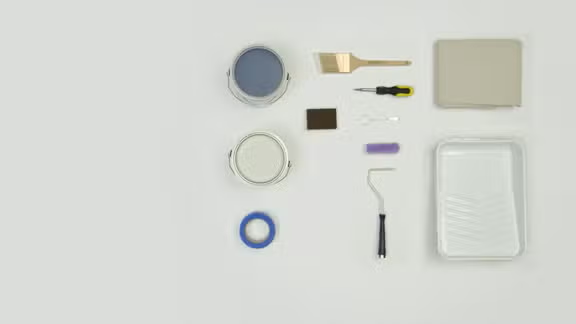
Tools & supplies
- BEHR® Paint
- Primer
- Brush (2"-2½")
- Paint Key
- Paint Tray
- Paint Tray Liner
- Drop Cloth
- Roller Cover and Frame
- Sandpaper (150-220 Grit)
- Painter's Tape
- Screwdriver
- Cloth Rags
Step-by-step process
Step 1
Grab your tools.
Step 2
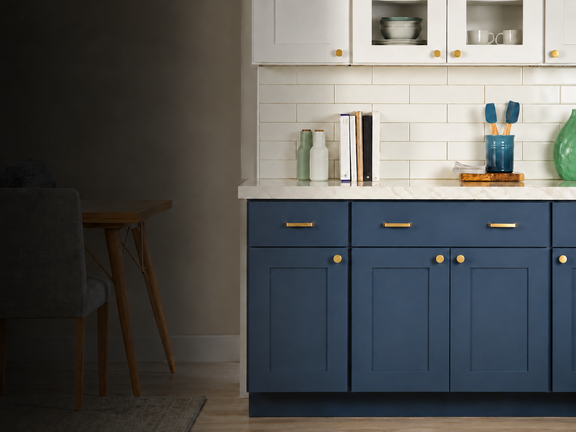
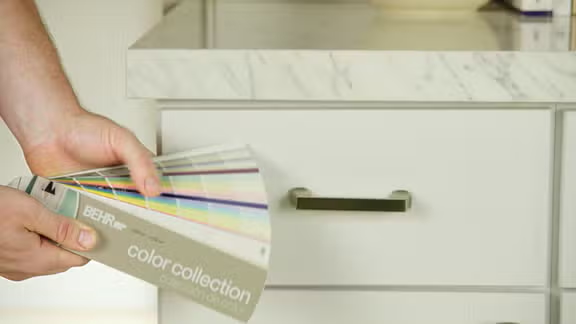
Find your perfect color.
Tip:
Browse our gallery of kitchen images for color and style inspiration.
Step 3
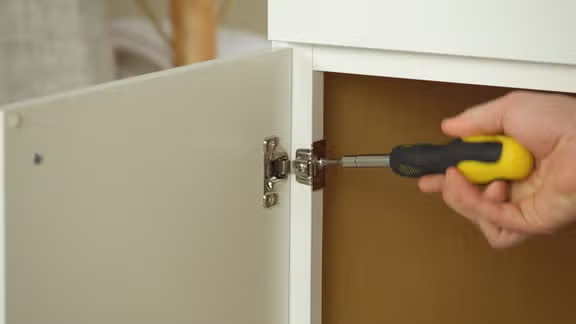
With a screwdriver remove hardware, doors and drawers.
Step 4
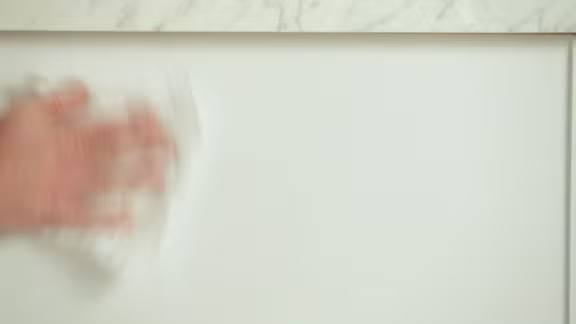
Clean the surface of the kitchen cabinets.
Step 5
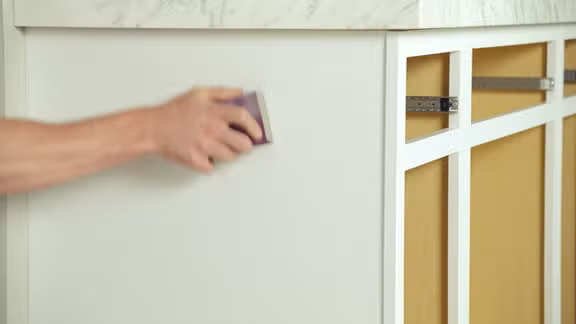
Gently sand the surface to help remove any gloss from the previous coating.
Step 6
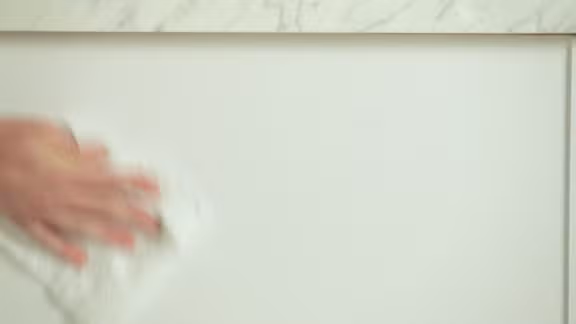
Wipe off the excess dust.
Tip:
When painting over new kitchen cabinets, you will want to use a coat of primer.
Step 7
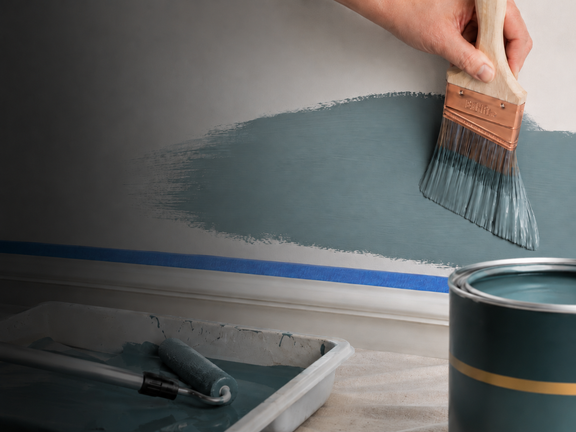
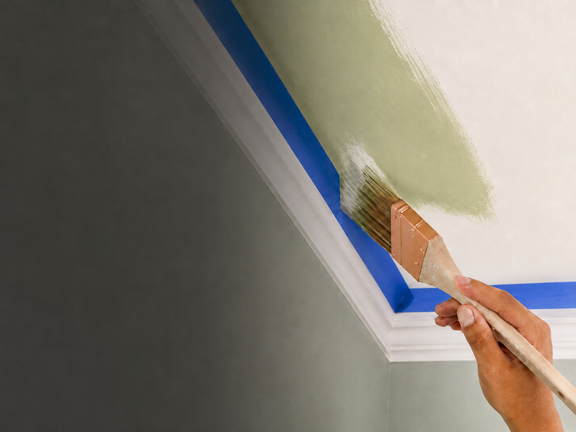
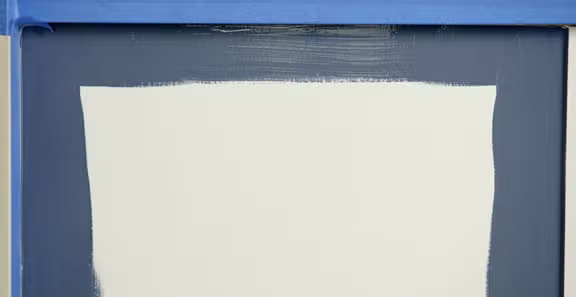
Tape off the counter and cut in using a paint brush.
Step 8
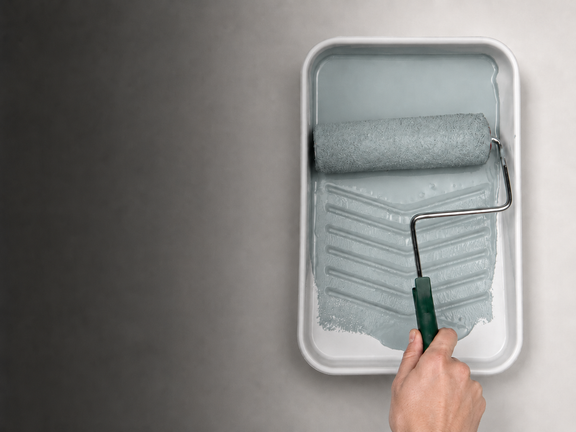
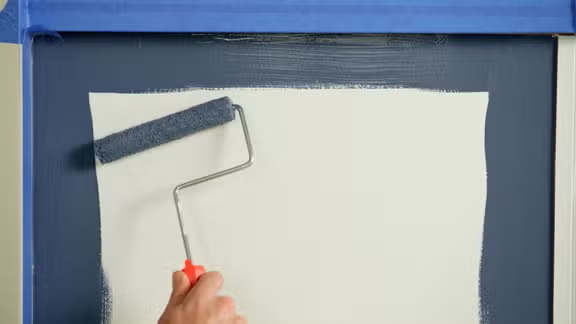
Using a roller, paint the panels and hard to reach areas starting from the inside out.
Step 9
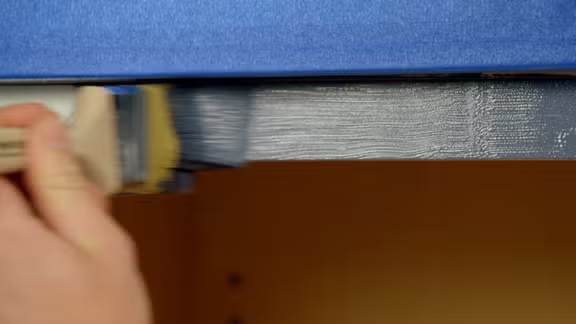
With the paint brush, apply paint on the top of the frame. Once the top of the frame is complete, move on to paint the side of the frame.
Tip:
Apply paint in the same direction of the wood grain.
Step 10
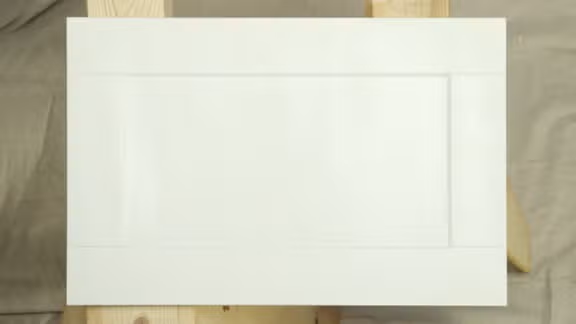
Now grab the cabinet doors and drawers and lay them flat on a saddle.
Step 11
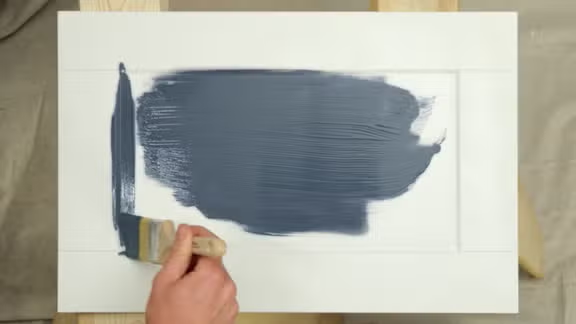
Start painting on the inside and move out toward the edges.
Tip:
To ensure that color is as rich as possible, consider adding a second coat.
Step 12
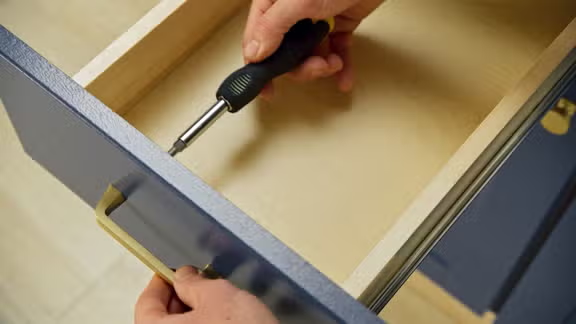
Allow paint to completely dry. Replace doors and drawers before reinstalling the hardware.
Tip:
To clean painted cabinets without damaging the finish, use a soft cloth or sponge with mild soap and water.