Paint and primer in one formulas have long been a hot topic of conversation among pro painters. While fewer steps can benefit busy contractors, you should never compromise quality.
Ultimately, superior finishes require proper product selection and prep. “Using a primer is widely regarded as best practice in the professional painting world,” says Ed Edrosa, Senior Product Owner – Pro at Behr Paint Company.
While skipping important steps is not the right path to a professional finish, it’s worth knowing when to prime and when a paint and primer in one product can save time and produce a beautiful, flawless finish.
Paint with a Primer, vs Paint and Primer in one
“Paint is a coating made to be decorative and to protect. It enhances the beauty and seals the surface,” says Stephanie Glick, Research Fellow at Behr Paint Company. “Primer, on the other hand, is a little bit more complex. Primers are much softer and gummier. They’re made for adhesion, and it’s much easier for them to do the one thing they’ve been formulated for.”
Because many primers are formulated for specific scenarios, a thorough understanding of where products perform best is crucial. “Primers can create adhesion to surfaces that are harder to stick to, seal porous substrates, lock in stains and odors, prevent cracking, block tannins, prevent grain raise, and lock in efflorescence, to name a few,” stated Glick.
Paint and primer products are designed to do a bit of both and are also designed for specific scenarios. “You are still going to get a really good primer, but not a primer built for specific challenges,” says Glick. The key to choosing the right product for your job comes down to the substrate and your goal.
A few of the questions you should ask yourself before choosing a paint, a primer, or a paint and primer product include:
What is your substrate?
Has it been previously coated? With what?
Are there imperfections? (Stains, holes, etc.)
Do you need scuff resistance?
Do you want one-coat hide?
Do you want 10-year color fade protection?
Is easy touch-up and spray sheen uniformity important to you?
What’s your budget?
To Prime
Generally speaking, you need to prime before painting when working with raw or imperfect surfaces that need a bit of extra attention to get them smooth, sound, and ready for a topcoat.
For example, new or unsealed surfaces require primer. “With drywall, you’ll see sheen differences at the joint line if you don’t prime,” says Glick. Additionally, porous surfaces, like stucco, will soak up too much paint, making priming the most efficient and economical choice. “A blocking primer is best for wood, especially redwood, cedar, teak, and mahogany, to avoid tannin bleed,” says Glick.
There are primers specifically formulated for metal and concrete. “For instance, BEHR® Metal Primer is formulated to help protect new metal surfaces from corrosion and can even be applied over sound, rusty metal,” said Edrosa. BEHR® Multi-Surface Stain-Blocking & Sealer ensures better adhesion and long-term durability on concrete or masonry surfaces with high alkalinity.
While some situations require a full prime, others only require spot priming. Glick points to tilt-ups, a construction method commonly used in many commercial buildings as a great example. Tilt-up construction is a building technique where large concrete panels are made flat on the ground then tilted upright after they dry.
“If you use BEHR PRO® e600 Exterior Paints, you can do all the broad surfaces without a primer because it’s great at sealing the surface. However, on tilt-ups, you have sealant between the joints, and because the sealant is so flexible, you have to add a primer coat to help the coating flex with the natural movement of that joint.”
Or Not to Prime
Not all paint jobs are fraught with challenges. This is where a paint and primer in one product can save time and money. “Paint and primer products are generally most effective when refreshing previously painted surfaces that are in good condition, particularly for interior spaces. They offer convenience and solid coverage in these scenarios,” says Edrosa.
“Even if you have a stain on the wall, like lipstick, some of our higher lines, like BEHR Dynasty®, are designed to block those very well. However, if you want to buy a more economical product, you might want to spot prime those stains,” says Glick.
Every paint job is unique, but with the proper knowledge, you can choose the right product to solve problems and save time.
If you have product selection questions, contact your local BEHR Pro Rep.
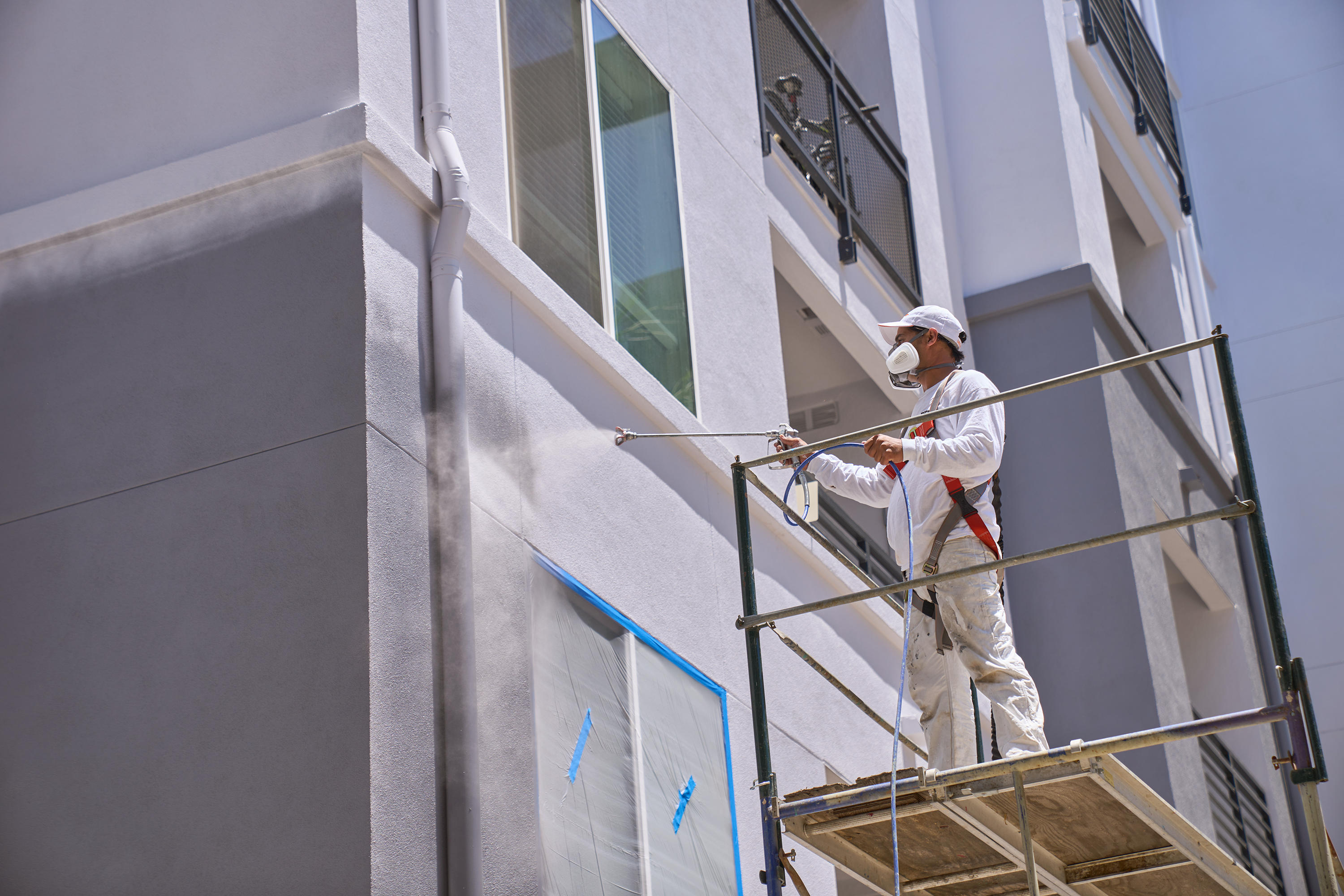
To Prime or Not to Prime



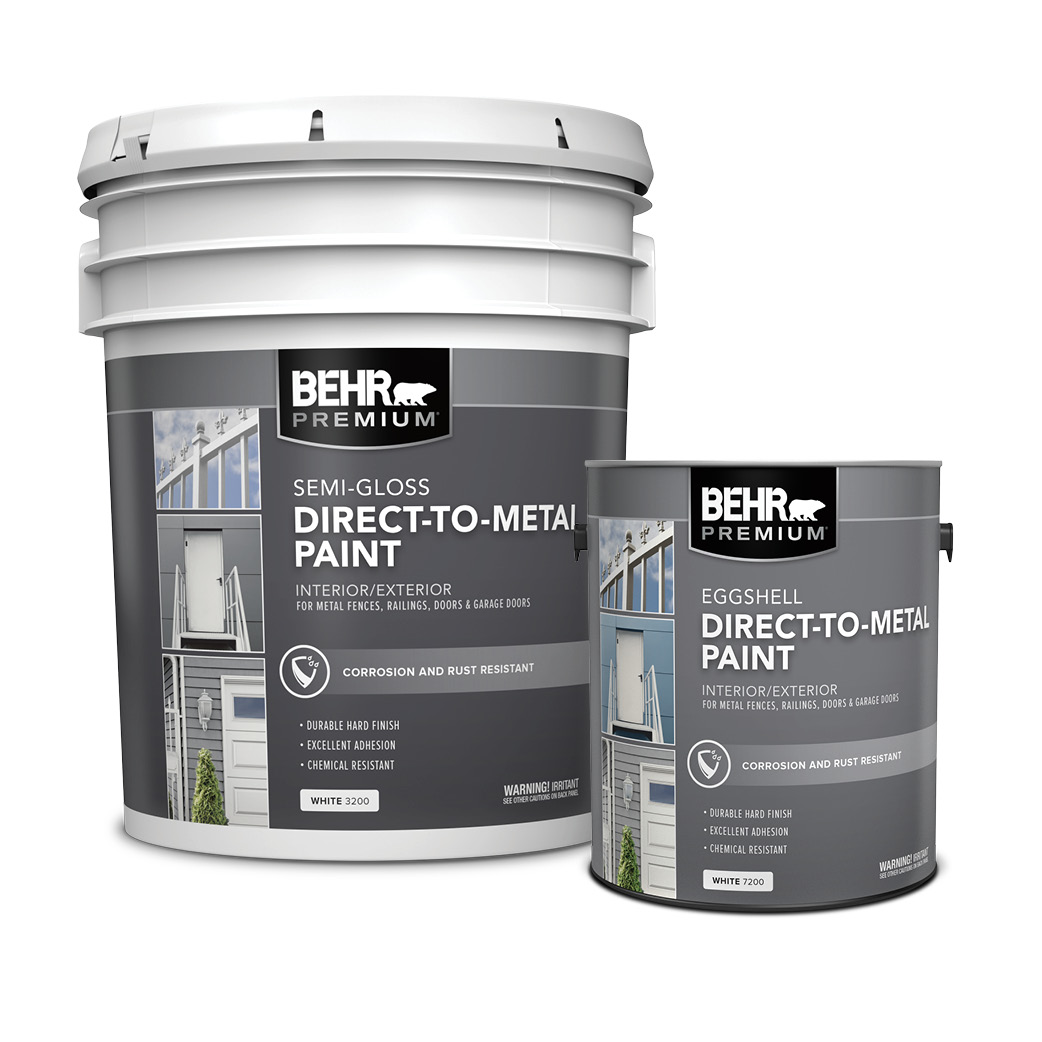

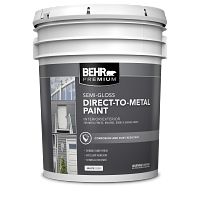
Is Behr Premium Direct to Metal Paint able to have colors added to it or does it come in other colors.
I’m painting outdoor wrought iron table, chairs end table, coffee table, etc. and do not want white, cream
red or black. Can it be tinted with another color at Home Depot if requested .
Hi Valerie,
Yes, The Home Depot stores can tint Direct-to-Metal Semi-Gloss or Eggshell to any color, light to deep.
Kindly,
The BEHR PRO Team
Can I use this on vinyl siding as well?
Hi Nathan,
While our Direct-to-Metal paint can be used on other properly prepared substrates like vinyl, it is not the best choice for vinyl surfaces. BEHR premium exterior paints, such as DYNASTY, MARQUEE, ULTRA, and PREMIUM PLUS, are more suitable for painting vinyl siding. These paints are designed to offer the necessary flexibility to accommodate surface movement caused by temperature fluctuations.
Kindly,
The BEHR PRO Team
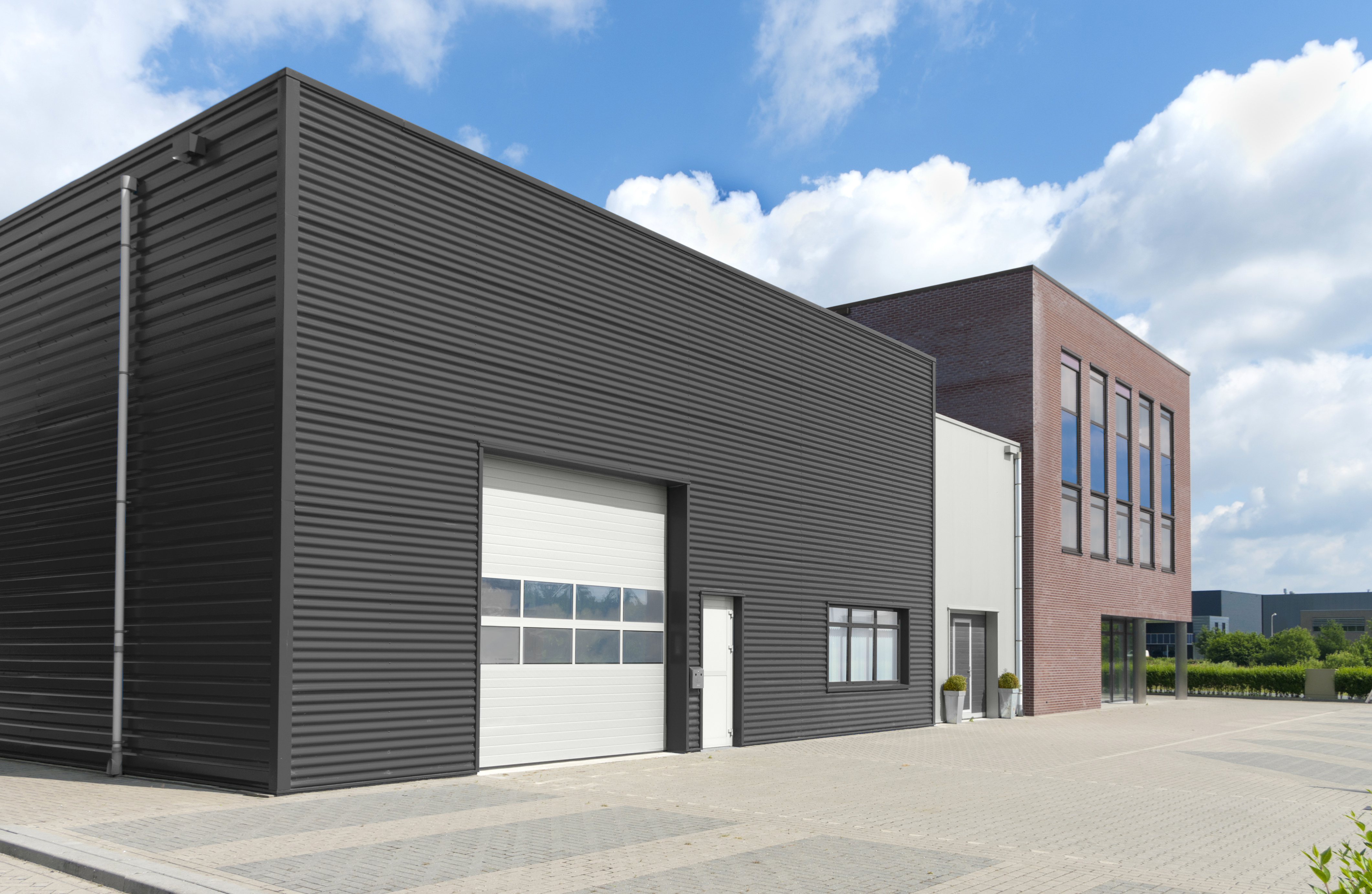
Can this paint be used to paint a steel pole building
Hi Terri,
Direct-to-Metal can be applied to metal buildings that are properly prepared and primed. For best results, we recommend using BEHR® Metal Primer.
Kindly,
The BEHR PRO Team
Can the Black Semi-Gloss Direct to Metal Interior/Exterior Paint be used on galvanized fence brackets?
Thanks!
Hi Anna,
Direct-to-Metal can be used on galvanized fence brackets, provided they are properly cleaned, degreased, and primed with BEHR® Multi-Surface Stain-Blocking Primer & Sealer or BEHR® Metal Primer before applying the product.
Kindly,
The BEHR PRO Team
What is the best way to paint a powder coated aluminum outdoor fence?
Hi Helen,
1. Clean the Surface: Thoroughly clean the fence to remove any dirt, grime, or other foreign contaminants. Use a pressure washer or a garden hose with a scrub brush.
2. Sand the Surface: Lightly sand the powder-coated surface to create a rough texture for better paint adhesion. Use 180-220 grit sandpaper.
3. Apply a High-Adhesion Primer: Use BEHR® Bonding Primer. Allow to dry at least one hour before topcoating.
4. Apply Topcoat/Finish: Use either BEHR PREMIUM® Direct-to-Metal (available in eggshell and semi-gloss) or BEHR PREMIUM® Urethane Alkyd Enamel (available in satin and semi-gloss).
Note: As far as primer/paint application, spraying is the best approach for a quicker application. If that’s not possible, using a brush and roller will work too, though it will take more time and effort.
Kindly,
The BEHR PRO Team
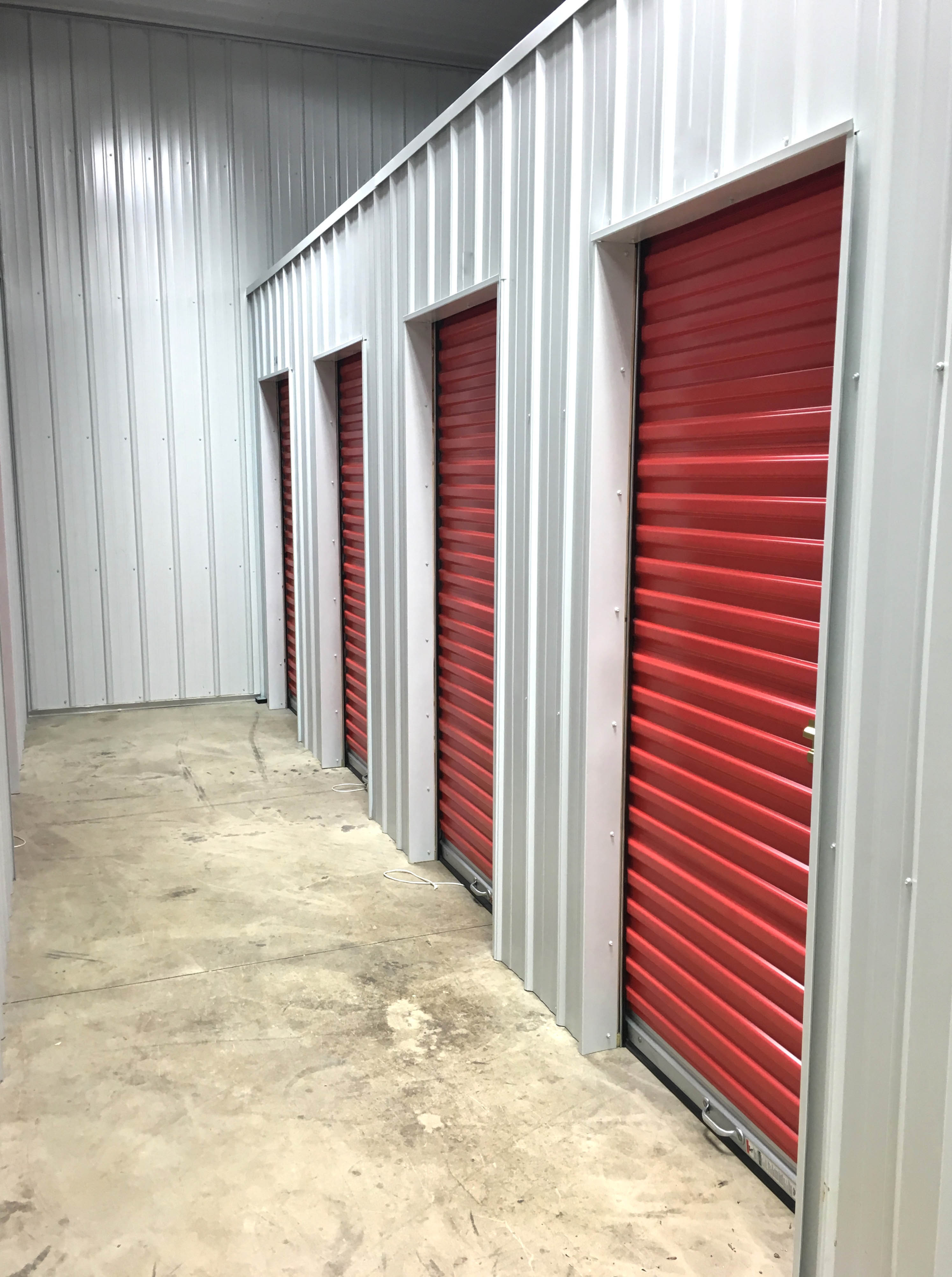
When using the DTM paint on a corrugated metal building that came from the factory painted, is a primer required?
Hi Brian,
Prior to applying our Direct-to-Metal Paint, we recommend cleaning the surface thoroughly, performing light sanding, and priming with BEHR® Bonding Primer.
Kindly,
The BEHR PRO Team
I have a metal utility trailer that needs repainted. It has some surface rust. Can i wire brush and power wash this and then use the DTM Behr paint directly over this or is a primer needed?
Hi Kris,
To ensure the best results, remove any loose rust using scraping, sanding, or other mechanical methods. For optimal corrosion resistance, prime the entire surface with BEHR Metal Primer, or spot-prime if rusting is minimal. Then, apply two coats of BEHR PREMIUM Direct-to-Metal Paint in Semi-gloss No. 3200 or Eggshell No. 7200, depending on your sheen preference.
Kindly,
The BEHR PRO Team