Blue House Paint: Best Exterior Blues and Front Door Pairings for 2026
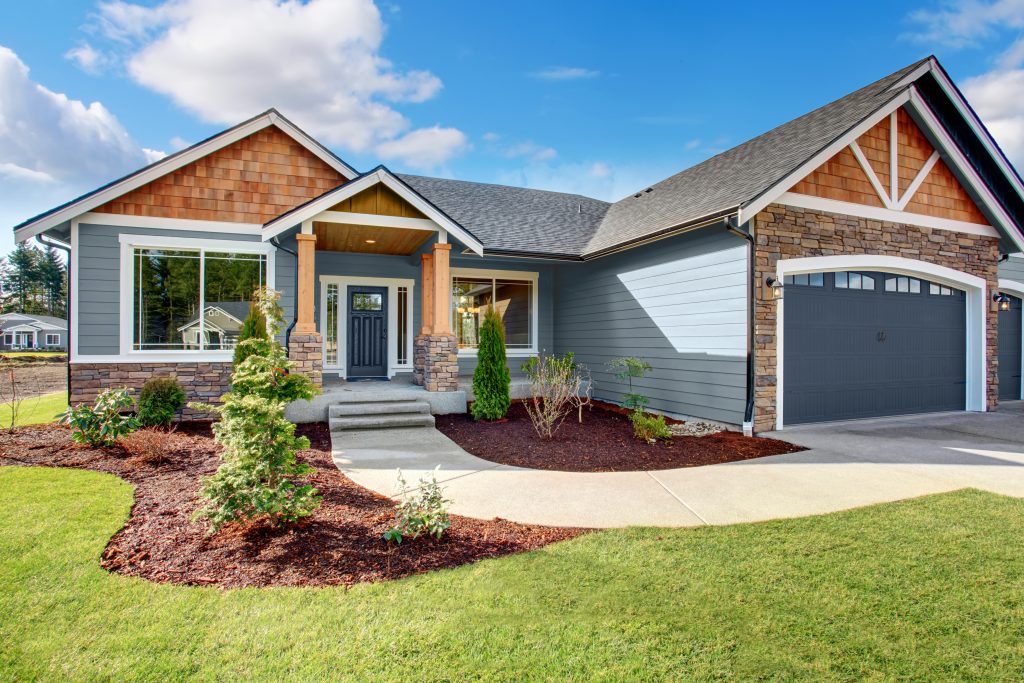
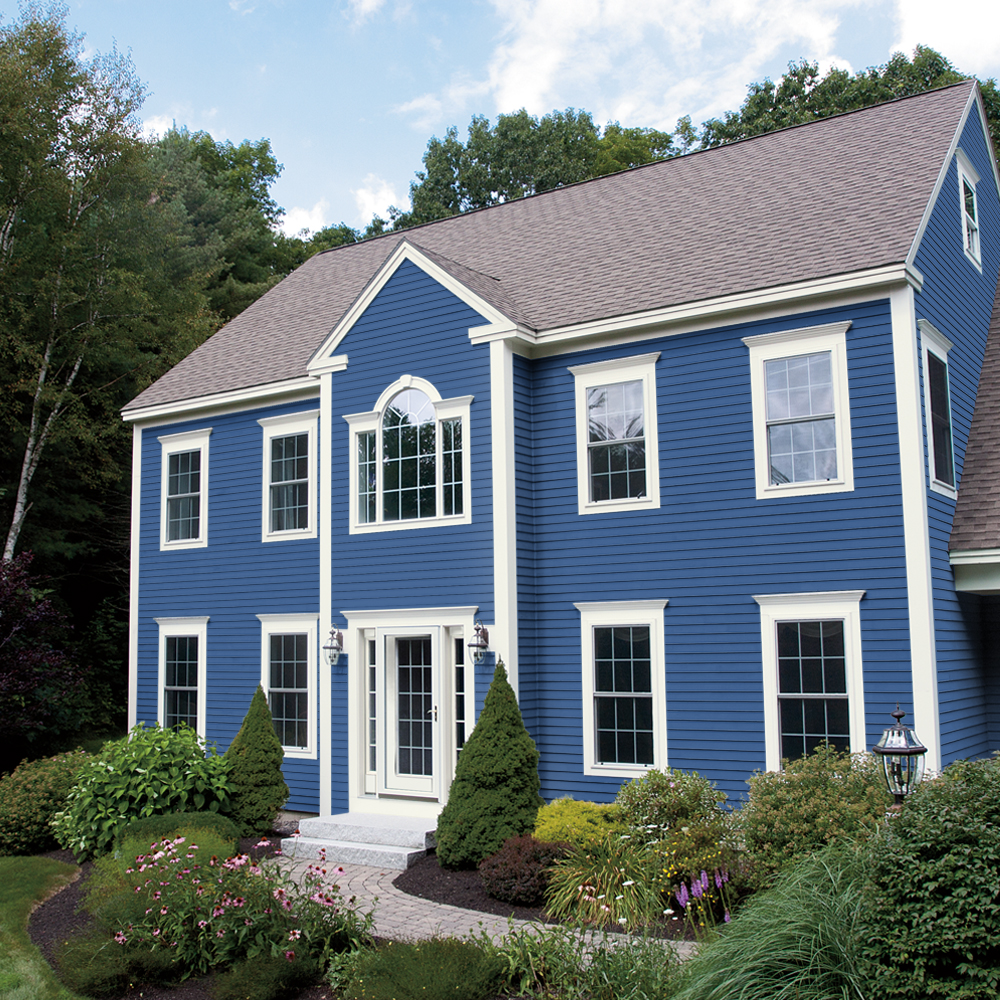
Blue house paint can feel fresh, classic, coastal, or dramatic depending on the depth of the blue and the colors around it. For 2026, softened blue-grays, slate blues, pale blue-green tones, and deep navies offer flexible exterior directions, especially when you choose the siding, trim, front door, and fixed materials as one palette.
Start by narrowing the blue itself, then use your home’s architecture, setting, and fixed materials to refine the palette. Compare the color with the roof, stone or brick, trim, landscaping, and the amount of direct sun your home receives. Exterior color is seen at a much larger scale than an interior wall, so a shade that looks quiet on a sample can feel brighter or lighter across the whole house.
Exterior blue paint colors to explore in 2026
Soft blue-green
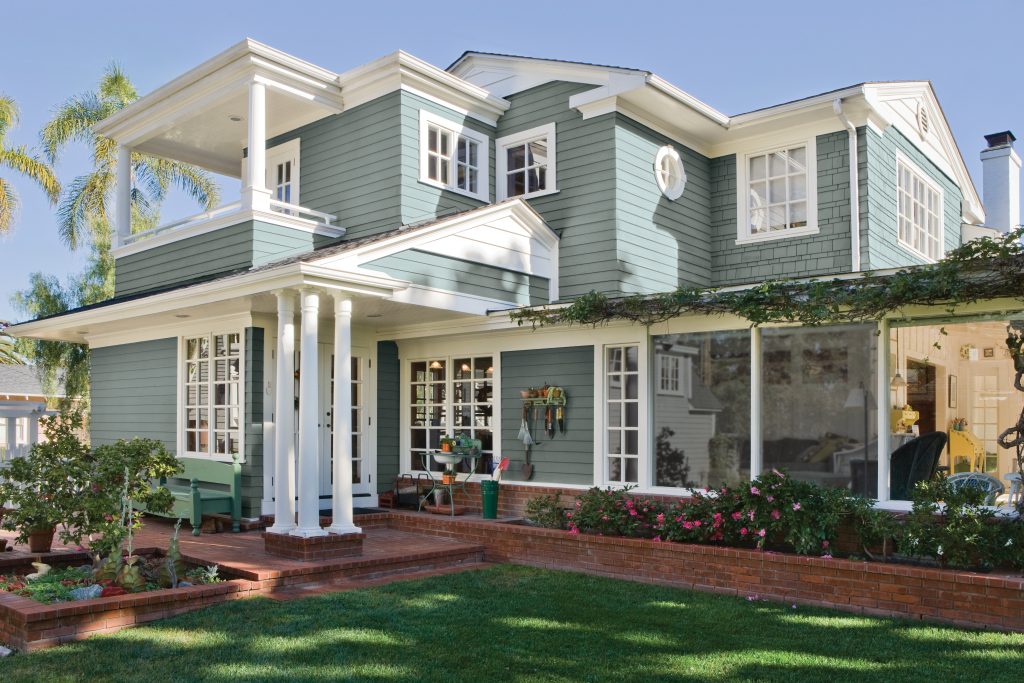
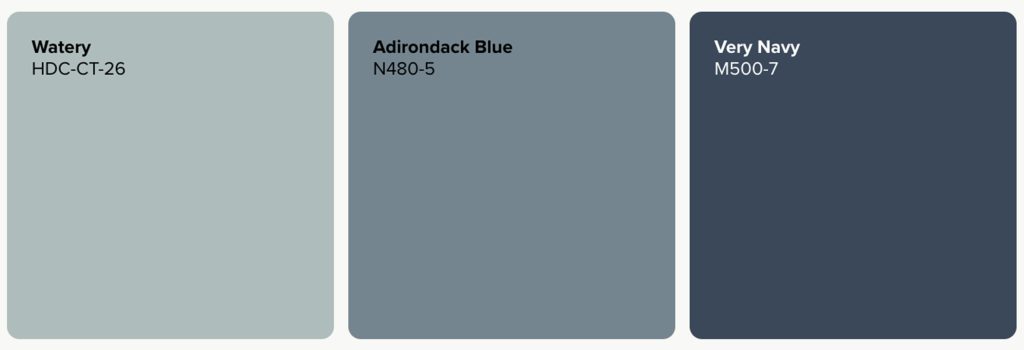
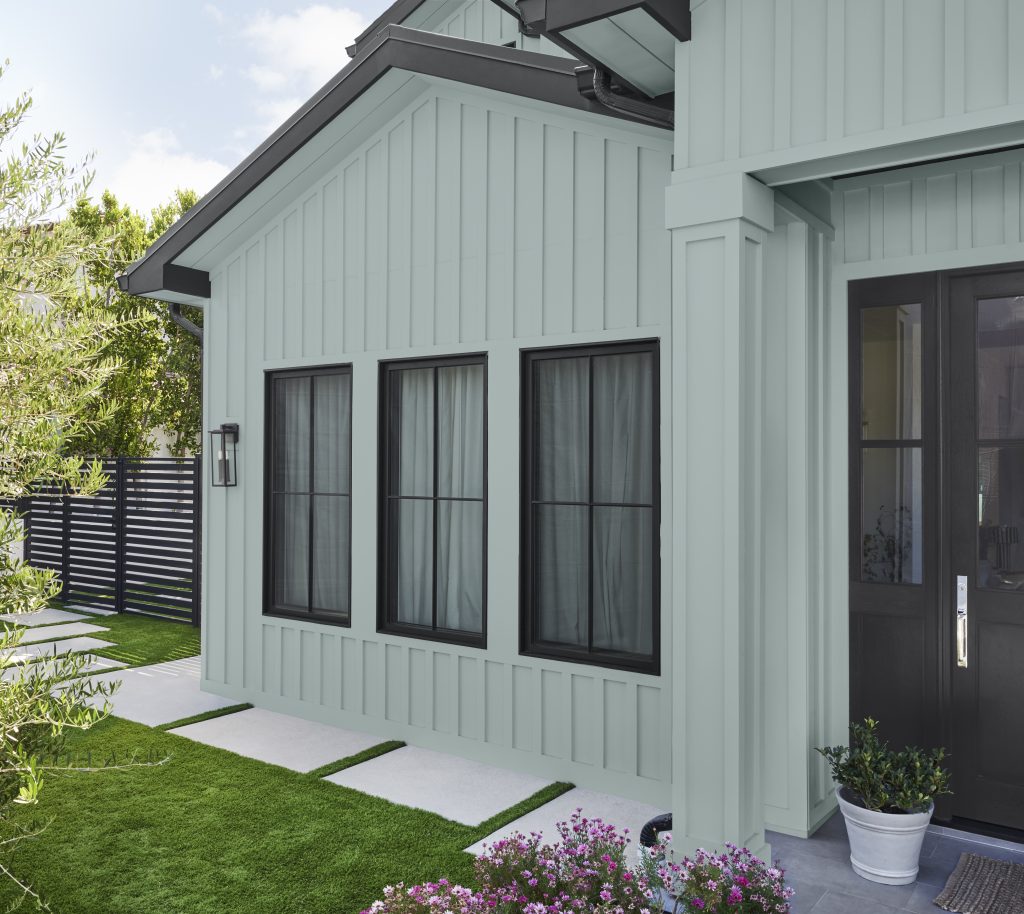
Watery HDC-CT-26 is a soft, muted blue-green that gives an exterior a light, airy quality. Pair this gentle blue-green with warm white or cream trim when you want the architecture to feel bright without creating a stark contrast. Natural wood at the door, porch ceiling, or accents can bring additional warmth.
Slate blue
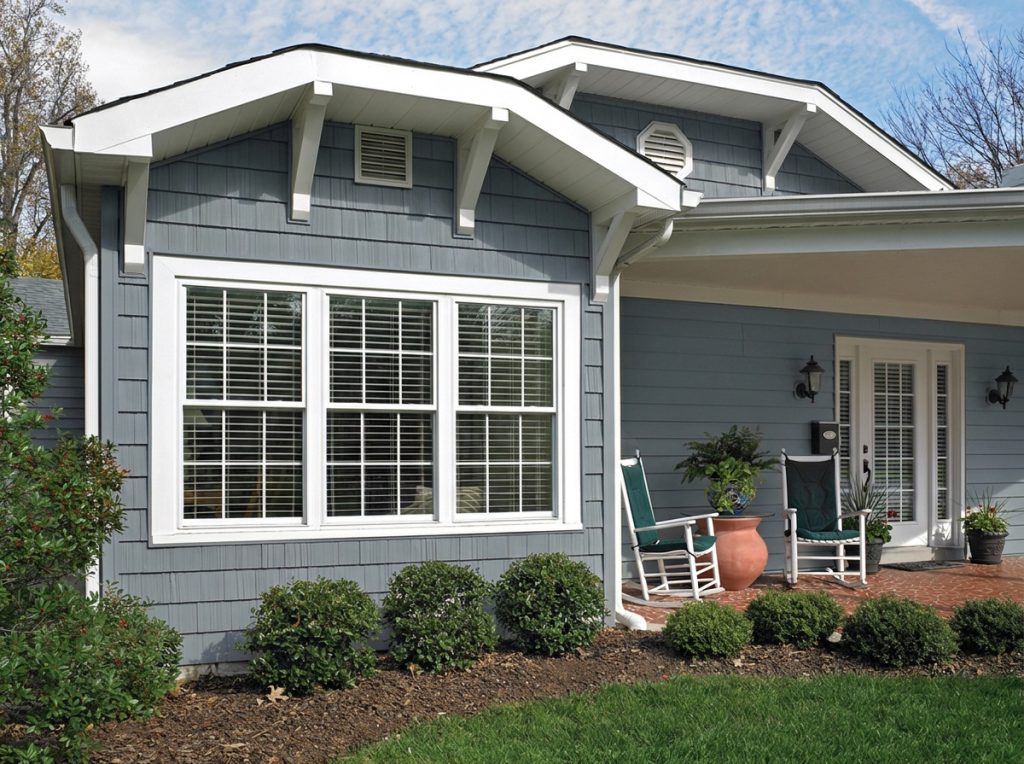
Adirondack Blue N480-5 brings more depth while staying muted enough to work with stone, wood, and a range of neutral roof colors. A slate blue can be a useful middle ground when pale blue feels too airy and navy feels too dark for the full exterior.
Deep navy
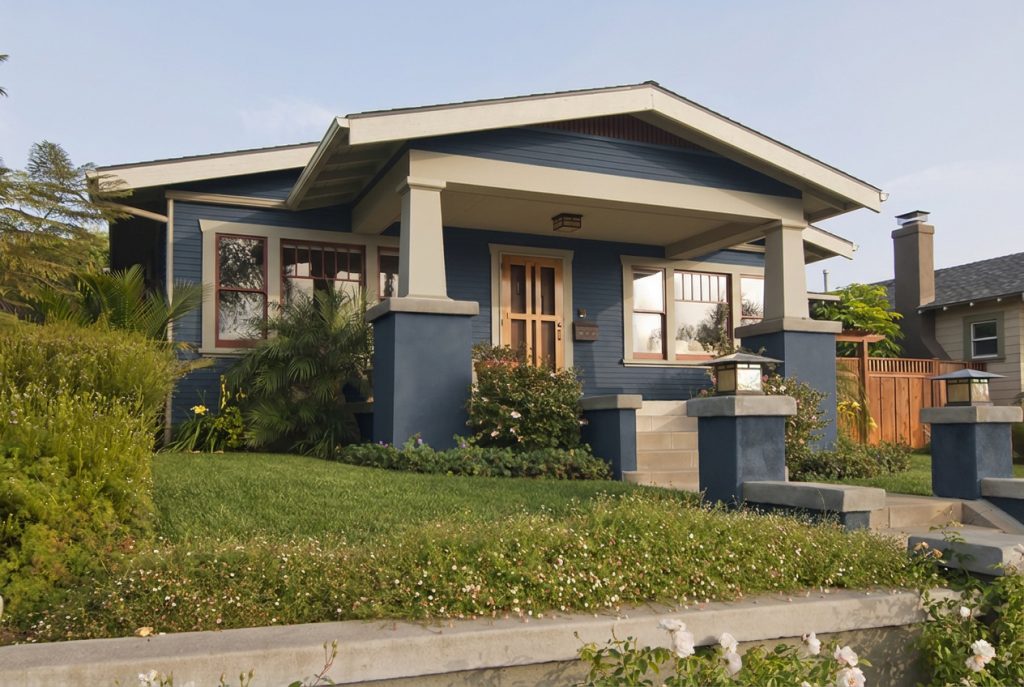
Very Navy M500-7 creates a stronger, more defined exterior. Use a deep navy across siding when the home has enough light and contrast, or bring it in more selectively on a front door, shutters, or other architectural details. Warm whites and natural materials can keep the overall palette from feeling too cool.
How your home’s style can guide your blue
Once you have a sense of the blue depth you like, your home’s architecture, setting, and overall character can help narrow the range. The goal is not to match a style label exactly, but to choose a blue that feels connected to the materials, light, and personality already present on the exterior. A softened coastal palette, a casual denim-blue scheme, and a bolder high-contrast exterior can all start with blue while creating very different impressions.
A coastal approach
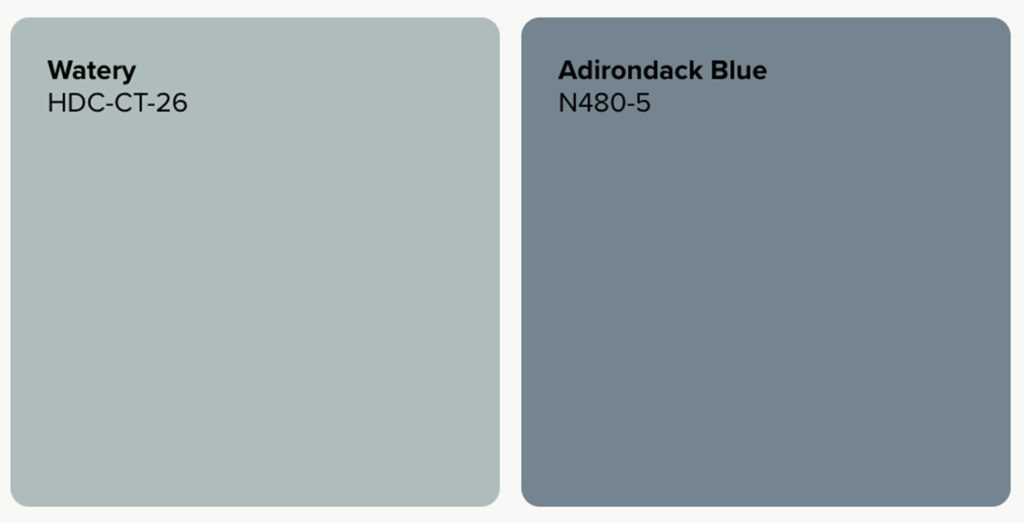
On a coastal or beach home, softened blue-greens and blue-grays can echo the surrounding sky and water without making the exterior feel themed. Watery HDC-CT-26 keeps the palette light, while Adirondack Blue N480-5 adds a weathered slate quality that can sit comfortably beside natural wood, stone, sandy neutrals, and warm white trim.
Setting matters here as much as style. Strong exterior sunlight can make a color appear lighter than it does indoors or on a small chip, so compare samples on more than one side of the house and against permanent elements such as the roof, masonry, decking, and landscaping. The same principle applies beyond coastal homes: let the home itself help refine the blue.
A casual, classic approach
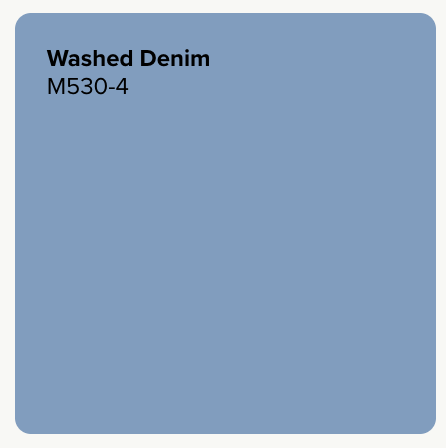
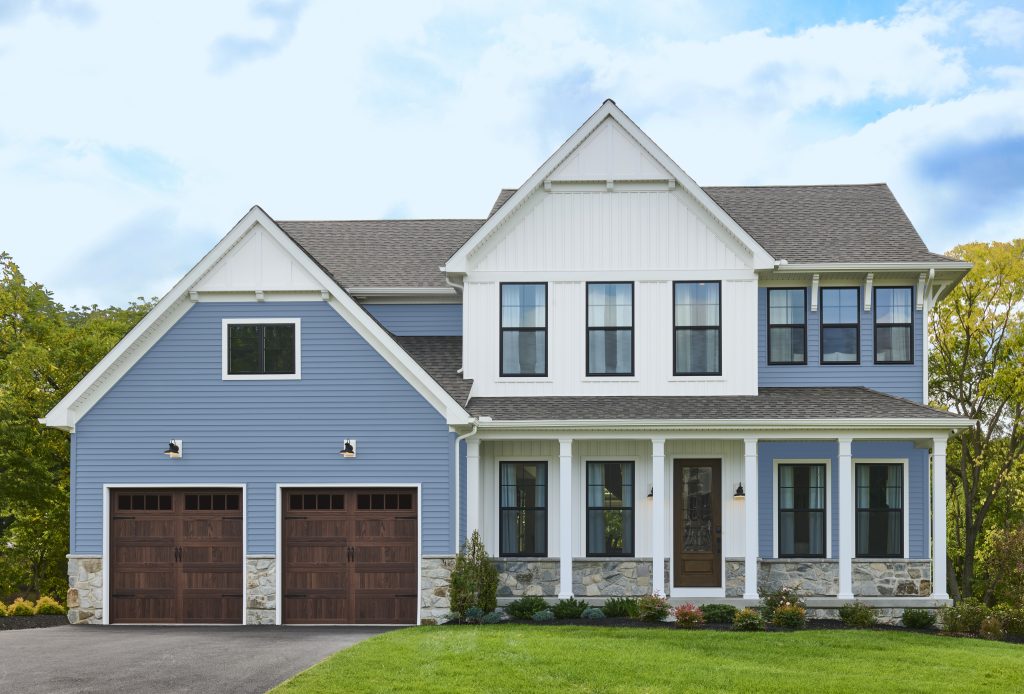
For a relaxed exterior that feels familiar rather than formal, a muted denim blue can offer an easy middle ground between pale blue and navy. Washed Denim M530-4 brings a faded blue quality that can pair naturally with white trim, warm wood, and darker metal or painted accents. Repeating one of those darker notes at the front door, shutters, or lighting can give the softer siding color more definition.
A bold, high-contrast approach
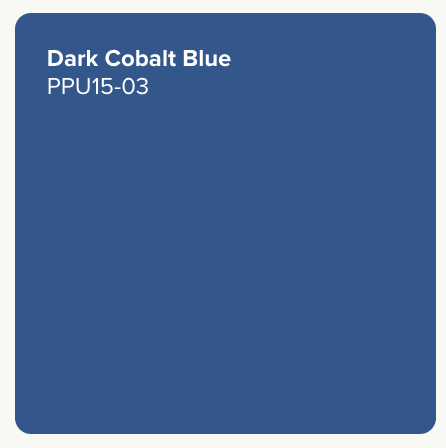
If you want the house color itself to make a stronger statement, a clearer, more saturated blue can create a confident exterior. Dark Cobalt Blue PPU15-03 offers a bolder direction that can be balanced with contrasting trim and a coordinated front door rather than competing accent colors. Test saturated blues in direct sun and shade, since exterior light can noticeably change how vivid the color feels across a large surface.
Choosing a front door color for a blue house
Once the siding color is taking shape, the front door gives you another way to control contrast. A light blue house can support several door directions, and the right choice depends on whether you want the entry to blend gently with the exterior, stand out as a focal point, or introduce warmth through a different material.
Warm white or cream for a softer transition
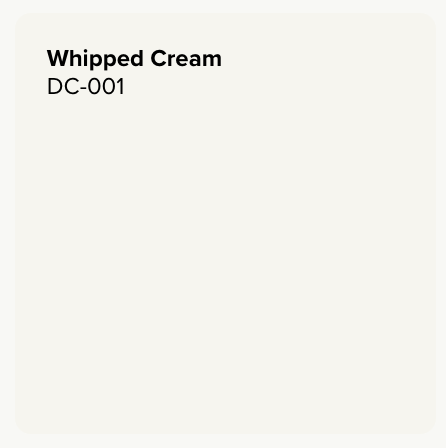
A warm white such as Whipped Cream DC-001 keeps the front door closely connected to pale blue siding while adding gentle warmth. This approach can be especially useful when the trim is also warm white or when the home includes beige stone, warm wood, or other creamy neutrals.
Natural wood for warmth
A stained or natural wood door can warm up a light blue exterior and create contrast through material rather than another paint color. Compare the wood tone with porch flooring, beams, fencing, and other permanent wood elements so the mix feels deliberate.
When to choose a deep navy front door
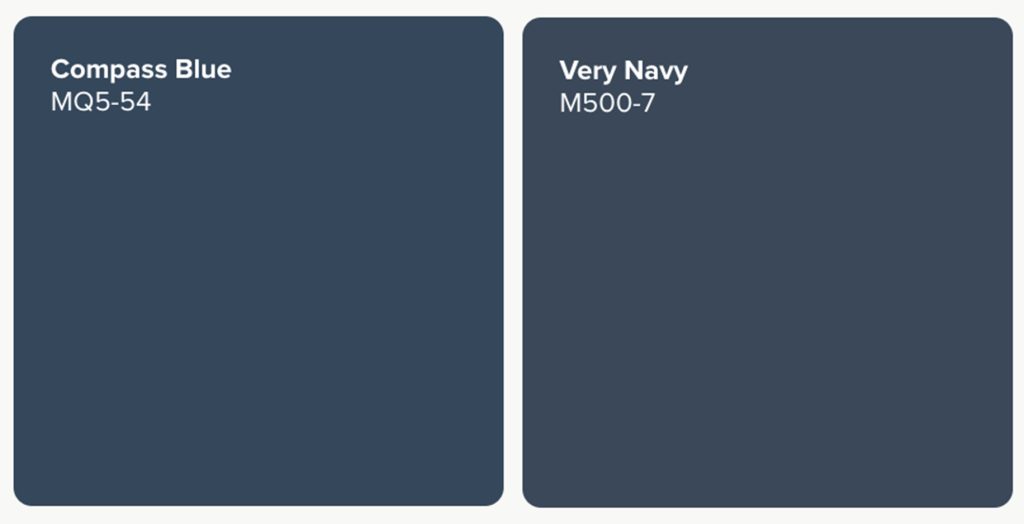
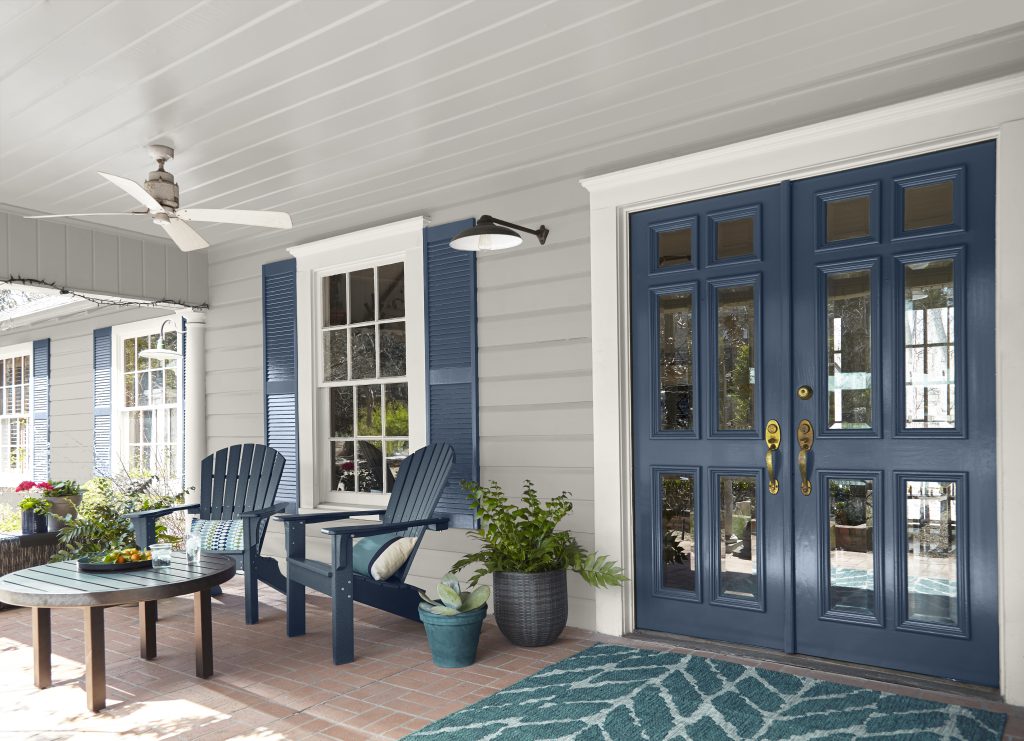
If you want stronger definition, a navy front door gives light blue siding a clear focal point without leaving the blue family. Compass Blue MQ5-54 has an inky navy character, while Very Navy M500-7 goes deeper. A related dark note in lighting, planters, shutters, or other small details can help connect the entry to the rest of the exterior.
Deep navy also creates a strong backdrop for brass or gold-toned hardware. The warm metal stands out against the dark blue surface, but it should still relate to the other metals already on the exterior, including porch lights, house numbers, railings, and nearby fixtures. The finishes do not need to match exactly; repeating a related warm note can make the entry feel more cohesive.
How to test your exterior blue before you paint
After you have a siding direction and front door pairing in mind, test them as one exterior palette before committing. This is especially useful for a DIY project because it lets you catch conflicts with fixed finishes and changes in light before you paint a large surface.
- Compare the blue with your roof, brick, stone, trim, decking, and other fixed finishes.
- View large samples on more than one side of the house because direct sun and shade can change how the color reads.
- Check the sample in morning, midday, and late-day light before making the final decision.
- Evaluate the siding, trim, and front door together instead of treating them as separate color decisions.
- Once you have chosen your colors, clean and prepare each surface as directed, then follow the instructions for your selected exterior paint and tools to apply it in suitable weather conditions.
- Step back from the house to judge the palette at exterior scale and from the distance it will usually be seen.
Explore more options in the Behr blue paint color family and use Behr visualization tools to compare complete palette directions before you narrow the final sample set.
Bring your blue exterior palette together
The most successful blue exteriors consider the house color, trim, front door, fixed materials, and light together. Explore BEHR blues, visualize a few complete palettes, and test your finalists outdoors so you can choose with confidence.
Colorfully yours,
Larayne
Muted blue-grays, slate blues, pale blue-green tones, and deep navies are useful exterior directions for 2026. The best fit depends on your home’s architecture, light, roof, masonry, trim, and the amount of contrast you want.
Warm white or cream creates a softer look, deep navy adds definition, and stained or natural wood brings warmth. Compare the door choice with the trim and existing exterior materials before deciding.
Blue can be a natural fit for coastal exteriors, especially in softened blue-green and slate-blue directions. Pair it with warm whites, sandy neutrals, stone, or natural wood, and test the color in strong exterior light before committing.
Start with fixed elements such as the roof, brick, stone, and landscaping, then compare blue samples beside them. View the samples on multiple sides of the house and at different times of day because exterior light can shift how light, gray, green, or deep a blue appears.
Yes. A navy door can give a lighter blue house a defined focal point while keeping the palette within one color family. Use trim, hardware, and other small exterior details to help connect the darker door to the rest of the home.