Blue can feel crisp, calm, dramatic, or grounded depending on the colors and finishes that surround it. That range is what makes blue one of the easiest color families to use throughout a home. A soft blue can keep a bathroom feeling light, a blue-green can freshen cabinetry, a blue-gray can make a bedroom feel restful, and a navy can give a front door or accent wall a more tailored finish.
If you are deciding what goes with blue paint, start with the undertone and depth of the shade you love most. Then build around it with a trim color, a ceiling color, and one supporting accent so the room feels intentional rather than busy. The palettes below are designed to make that process easier.
Blue with White
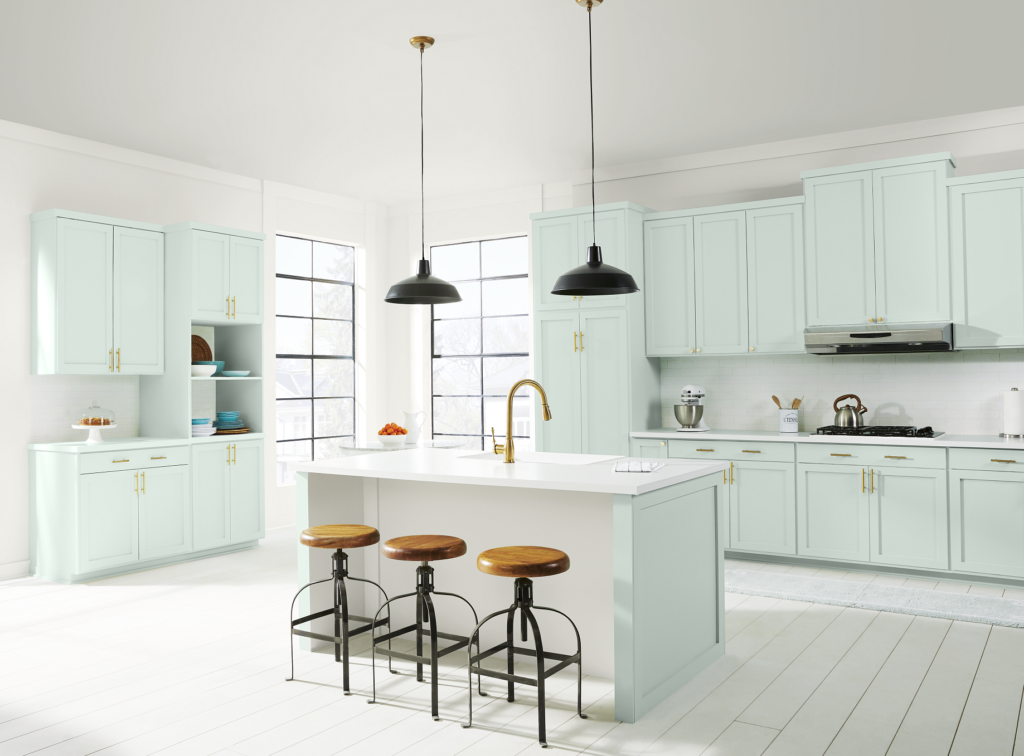
Blue and white is one of the most dependable combinations because it can flex from casual to classic without losing its freshness. In kitchens, bathrooms, and front-entry moments, white helps blue read clean and defined. This pairing works especially well when you want the blue to stand out but still keep the room feeling open.
For a lighter, more relaxed look, choose a softened blue or blue-green and keep the trim and ceiling bright. For a more tailored result, move a little deeper on the blue and let the white act as the crisp outline around it.
This is an easy direction for bathrooms and laundry rooms because the white keeps the room feeling clean while blue adds just enough color. It also works for a front door when the exterior already has white siding or trim and you want a welcoming color that still feels timeless.
Blue with Gray
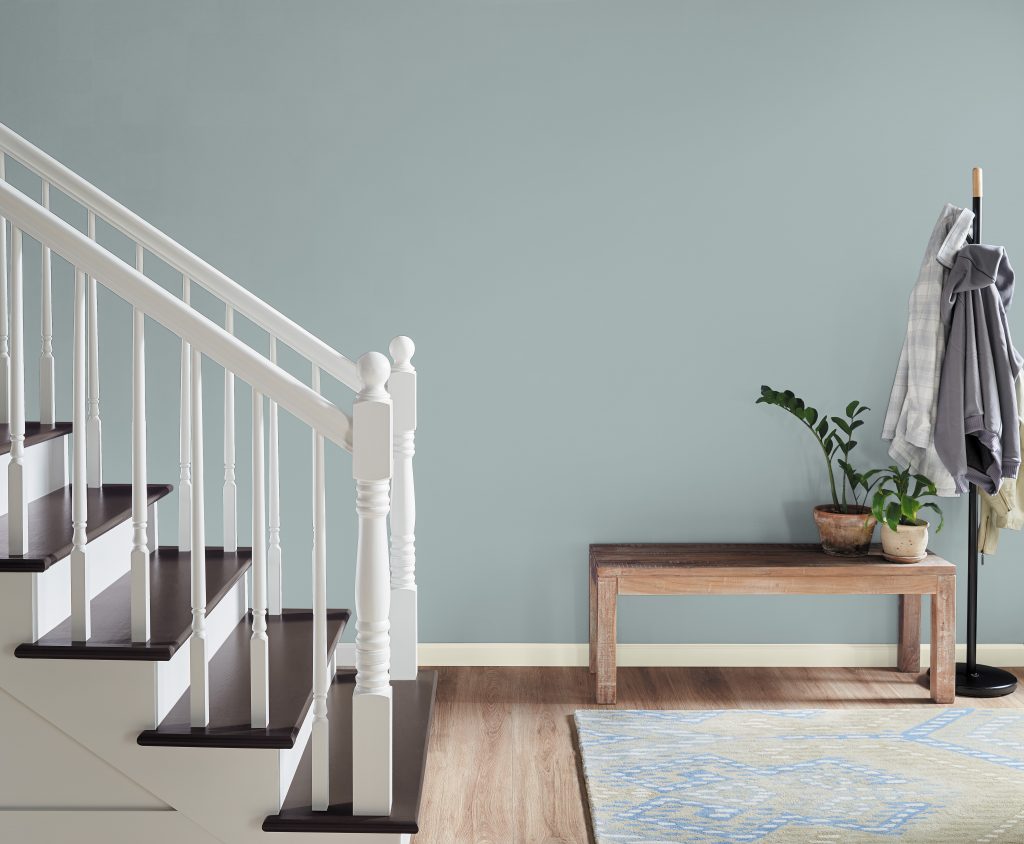
Blue and gray is a strong choice when you want a cooler, more layered look. The easiest way to make this pairing feel intentional is to create clear separation between the two. Use a softened blue that already carries some gray in it, or use a deeper blue that feels noticeably darker than the gray around it.
This approach works especially well in bedrooms, offices, and living spaces where you want blue to feel grounded instead of bright. Gray can act as a bridge between the blue and the rest of the room, helping wood, white, black, and metal finishes all sit together more comfortably.
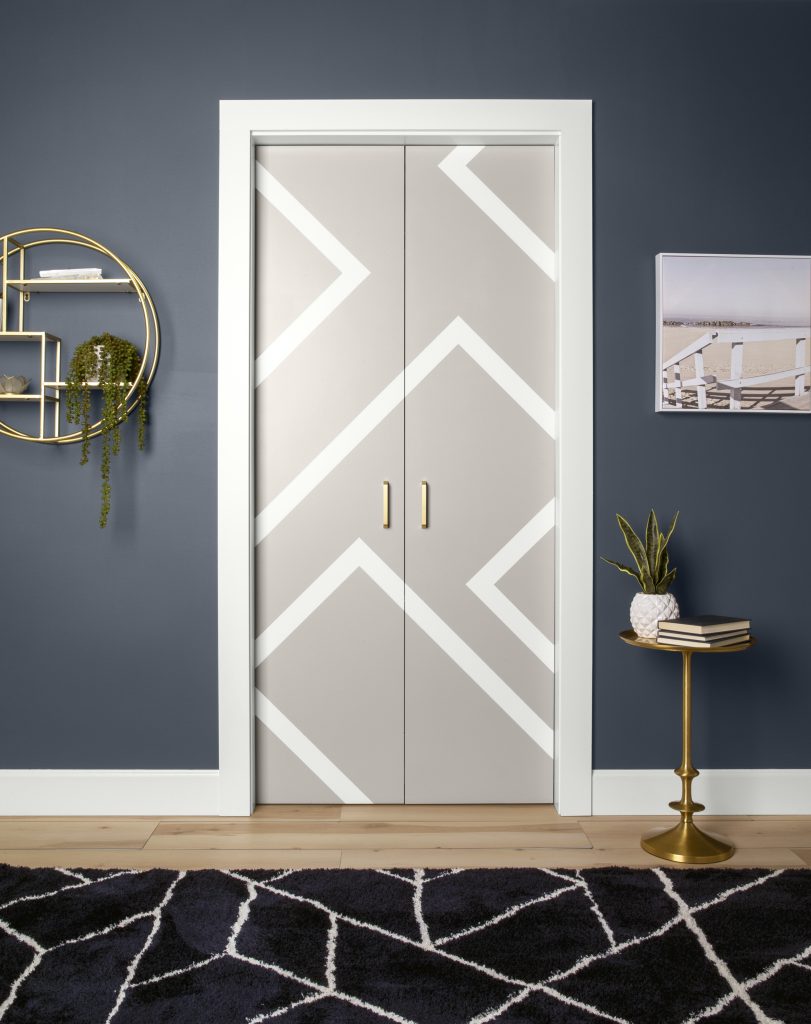
For bedrooms, blue with gray can feel especially restful because the contrast stays soft rather than sharp. If you are pairing across blue shades in an open plan, this is also a helpful middle lane between lighter blue rooms and darker navy accents.
Blue with Beige
Blue with beige is a reliable way to warm blue up without taking away its calm, polished look. Beige softens the cool side of blue and helps the room feel more relaxed, which makes this pairing especially useful when you want blue to feel inviting rather than formal.
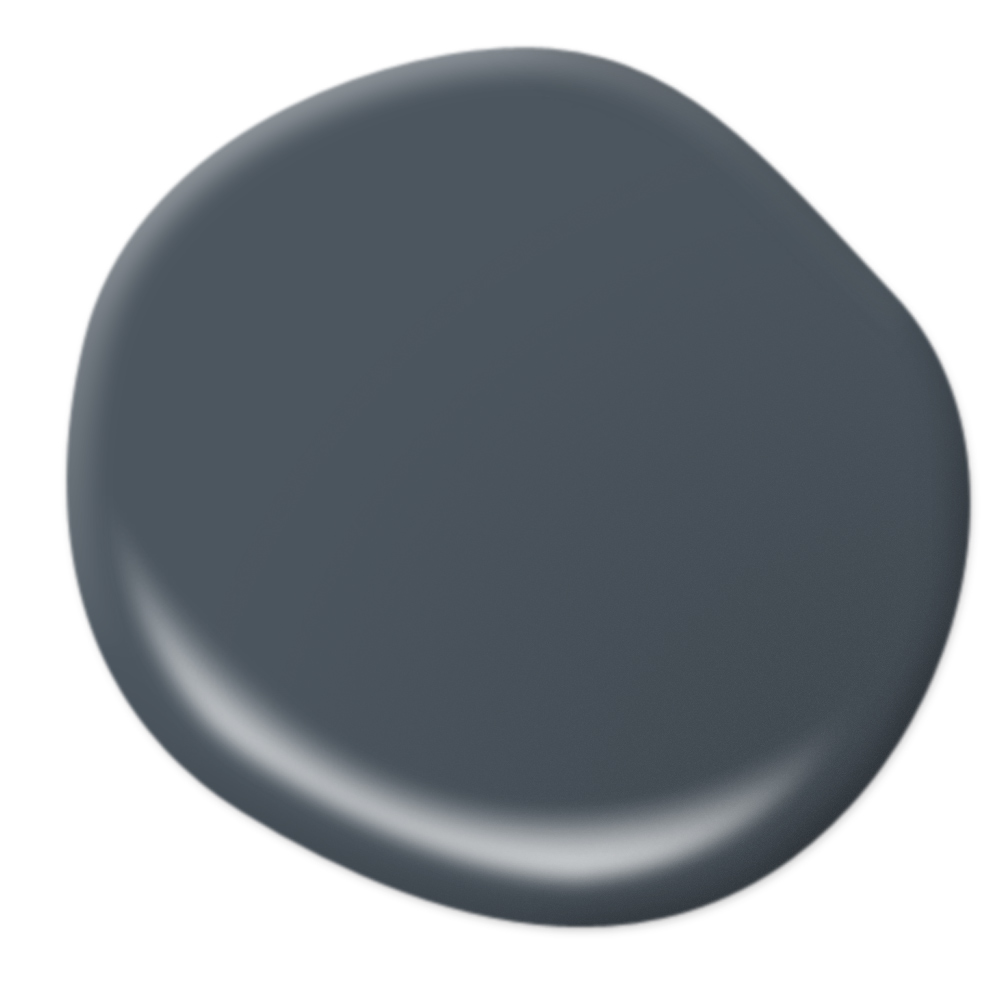
This combination works well in bedrooms, dining rooms, living rooms, and homes with brick or stone elements. If your beige leans warm and your blue leans deeper, the room will feel balanced instead of flat.
For a bedroom, blue with beige can feel softer and more livable than blue with bright white. On an exterior or front entry, it also helps blue sit comfortably next to warm stone, tan brick, or beige siding.
Blue with Natural Wood
Blue and natural wood is one of the easiest ways to make blue feel warm, lived-in, and versatile. The wood keeps blue from feeling too cool, while blue gives wood a cleaner and more current backdrop. This pairing works especially well when you want a room to feel calm but not stark.
In kitchens, wood tones can show up through flooring, stools, open shelving, or smaller furniture pieces. In bedrooms, wood introduces warmth and texture. On exteriors and front doors, natural wood details can make a dark blue feel more approachable and less severe.
If you want a brighter, more casual look, use a lighter blue or blue-green with pale oak. If you want more contrast, move into a deeper navy or blue-gray and pair it with mid-tone or warm walnut finishes.
Accent Colors for Navy
Navy has enough depth to act almost like a neutral, but the supporting accent still changes the feel of the room. Warm whites keep navy feeling crisp. Brass adds warmth and polish. Camel, tan, and natural wood soften it. Charcoal and black make it feel sharper and more modern.
If you are using navy on cabinets, a front door, a fireplace, or an accent wall, keep the surrounding finishes simple and let one accent direction do the work. Too many competing accents can make a rich blue feel heavy instead of refined.
For a front door, navy is an easy way to create curb appeal because it can feel classic, coastal, or traditional depending on the siding, brick, stone, and hardware around it.
How to Pair Across Blue Shades
Blue rarely has to work alone. In fact, using more than one blue can make a home feel more layered and intentional when the undertones stay connected. The easiest way to do this is to keep one shade as the lead, then step lighter or darker in nearby spaces.
- Use a lighter blue on main walls and a deeper blue on a vanity, built-in, fireplace, or front door.
- Let blue-green, true blue, and blue-gray work together only when they share a similar softness or depth.
- Use white or a soft neutral on trim and ceilings so the blue shifts feel planned, not patchy.
- If one room uses a light blue, an adjacent room can move into blue-gray or navy as long as there is a clear jump in value.
A few easy combinations include Watery with Nocturne Blue for a light-to-dark contrast, Light Drizzle with Midnight Blue for a soft-to-dramatic transition, or a dusty blue-gray paired with a true navy front door for a more tailored exterior.
Room-by-Room Blue Pairing Ideas
- Kitchens: Use a lighter blue or blue-green on cabinetry with a bright white ceiling and natural wood details for a fresh, easy look.
- Bathrooms: Keep the walls or vanity blue and let white trim, white surfaces, and one darker accent keep the room feeling clean and calm.
- Bedrooms: Choose a blue-gray or softened navy with warm whites, beige layers, or natural wood so the room feels restful rather than stark.
- Front doors: Use navy or a medium blue when you want the entry to stand out against white siding, brick, charcoal, or natural wood accents.