Earthy Green Exterior Paint Ideas for Siding, Brick, Trim, Doors, and Decks
Earthy green exterior colors can make a home feel connected to its surroundings while still giving the architecture plenty of personality. Soft sage, smoky blue-green, olive, and deeper forest tones each create a different look, and the best place to use them may be the siding, brick, trim, front door, deck, or a thoughtful mix of several surfaces.
The easiest way to build a cohesive exterior is to start with one hero green, then support it with a light neutral, natural material, or darker accent. Before you commit, sample your favorite colors on the actual exterior and look at them in morning light, full sun, and shade.
Start with the Exterior Surface
Siding, brick, trim, doors, and decks each play a different role in an exterior palette, so one green does not need to cover every surface. Think of the body color as the overall backdrop, trim as the frame, the front door as a focal point, and the deck as a bridge between the home and the landscape. Once you know which surface should carry the most color, it becomes easier to choose the right depth and supporting accents.
Choose an Earthy Green for the Main Exterior
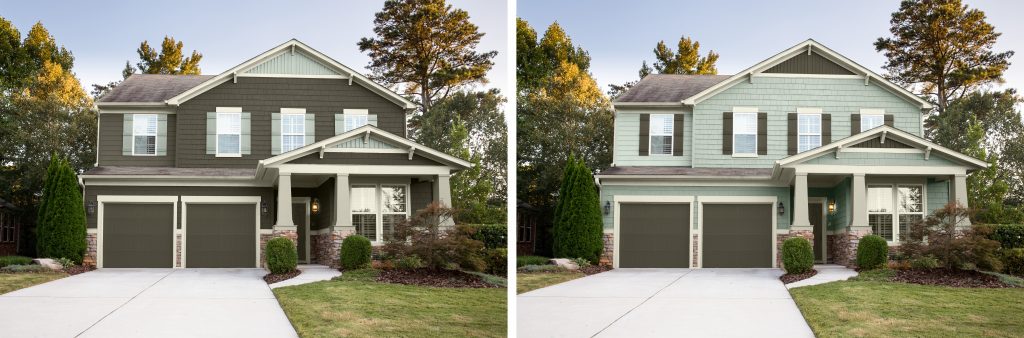
For the body of the home, decide first how much presence you want the green to have. A deeper shade can make siding feel rich and architectural, while a softer sage can keep the exterior light and relaxed.
For a current earthy green direction, Grounded T27-01, our 2027 Color of the Year, moves between moss and olive with earthy brown undertones. It can bring warmth and natural depth to siding, painted masonry, doors, or architectural accents, especially alongside wood, stone, cream, and other warm neutrals.
For a softer exterior, Frosted Sage N400-2 is a light gray-green that creates a quieter backdrop and works especially well when the home already has warm stone, cedar, cream trim, or other natural materials competing for attention.
| Direction | Grounded | Frosted Sage |
| Overall feel | Earthy, warm, mossy green | Soft, muted, sage-led |
| Use it when | You want the green to define the exterior | You want green to sit quietly with other materials |
| Pairing direction | Warm white, stone, natural wood, dark accents | Cream, cedar, warm neutrals, charcoal accents |
Painted Brick: Let the Texture Do Some of the Work
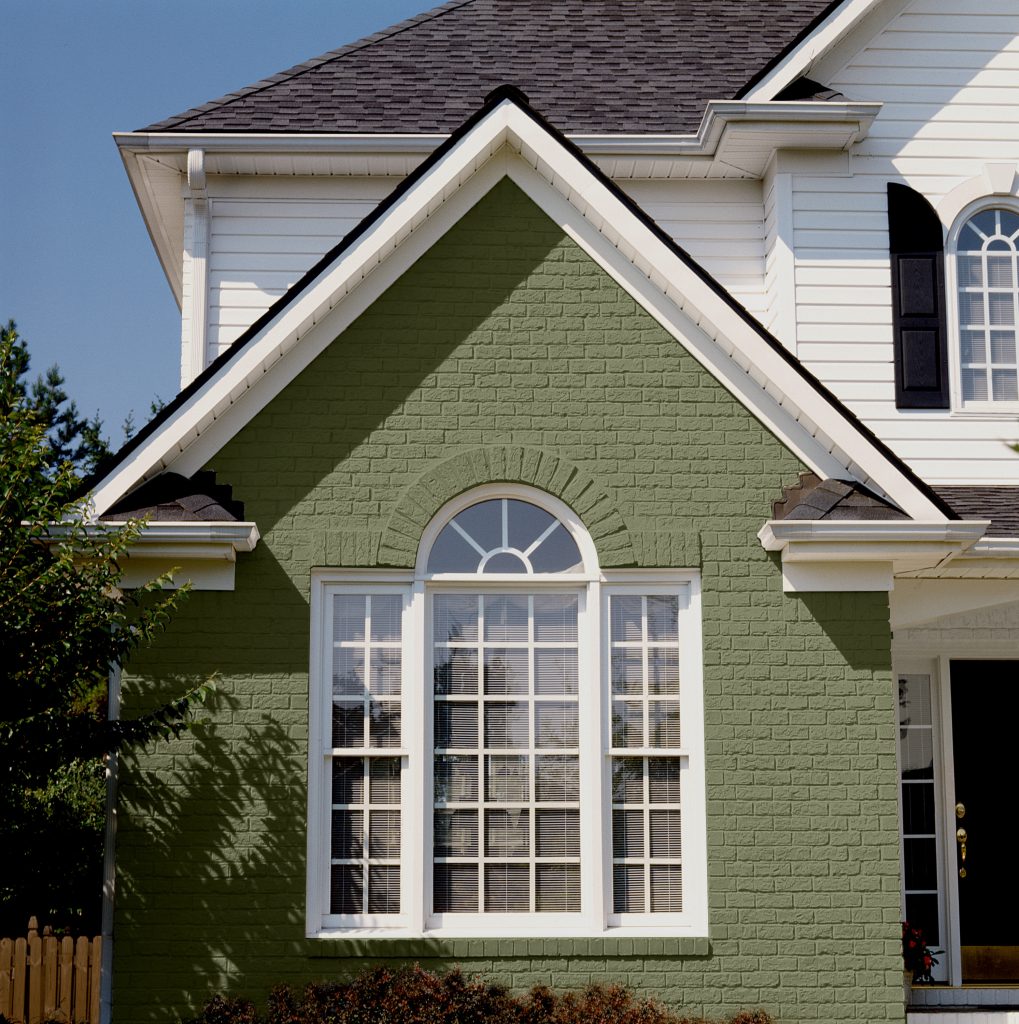
Brick already brings texture and variation, so an earthy green does not need to be overly complicated. A muted green can refresh the surface while letting the masonry pattern remain part of the design. Ecological S380-6 offers a restorative earthy direction, while Grounded T27-01 brings a warmer moss-and-olive character.
Keep the surrounding palette edited. Warm white or creamy trim can define windows and rooflines, natural wood can add warmth, and black or charcoal accents can create contrast in smaller doses. For masonry projects, choose a coating made for the surface and follow the preparation and application instructions for that product.
Green Trim: Contrast or Keep It Tonal
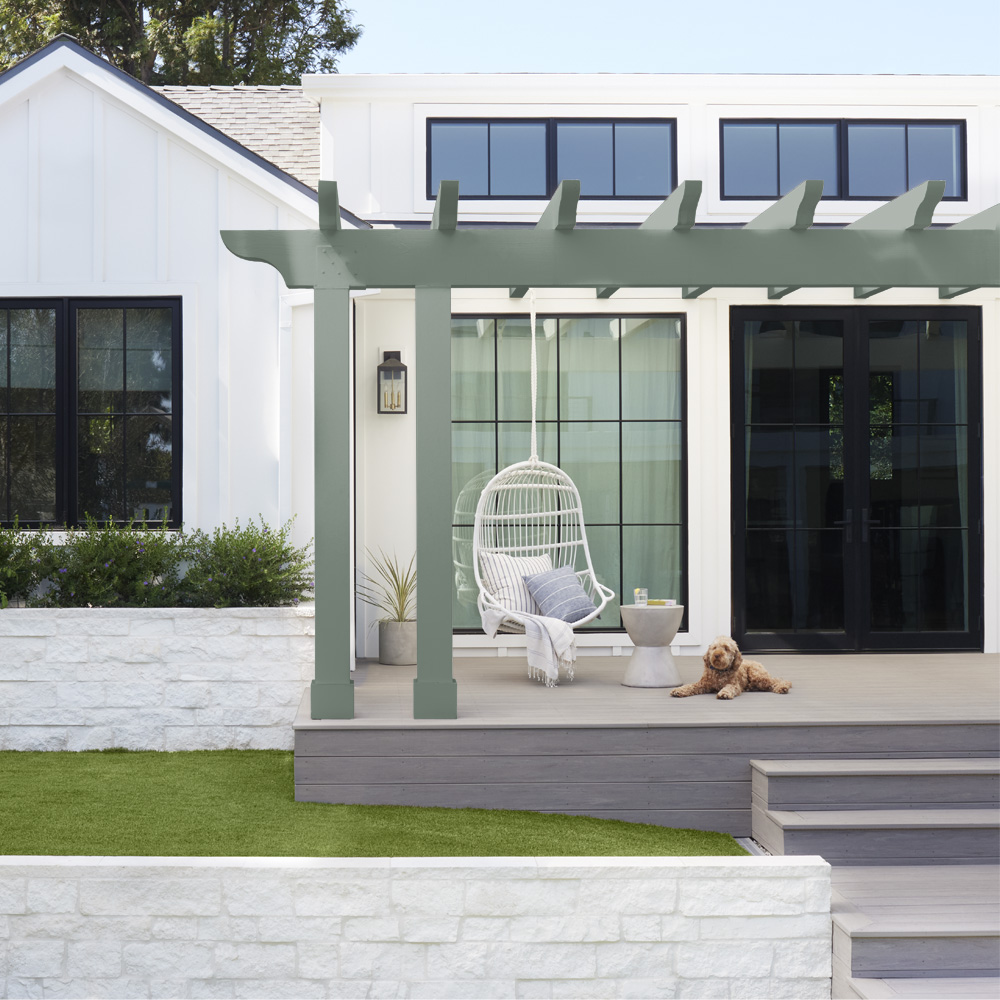
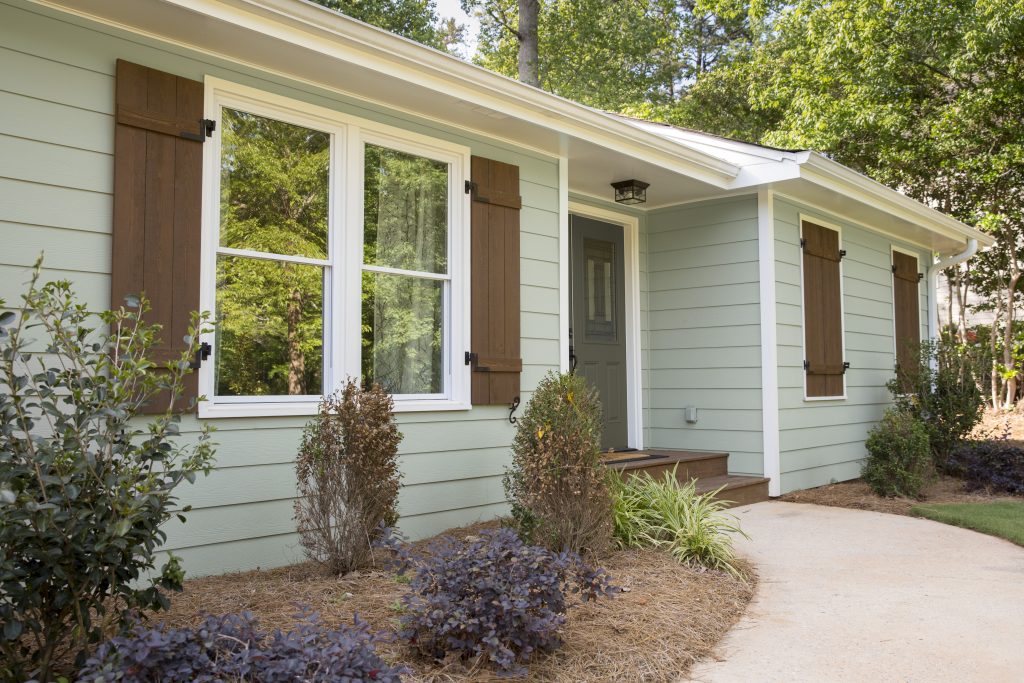
Green does not have to be the main body color to shape the exterior. On a lighter house, green trim can frame windows, fascia, or architectural details without taking over the whole facade. On a green house, light trim creates crisp separation, while a related green can create a more layered, tonal look.
For a softer look, try Sage Brush S370-3 on window trim, shutters, porch details, or other architectural accents paired with a warm white, cream, or natural-toned exterior. For more depth, a richer green like Boreal N420-5 can create stronger architectural definition. Complete the palette with black accents on doors, lighting, or railings for crisp contrast, or choose deep bronze or warm brown for a softer, more grounded finish.
Sage Green Front Doors for Cottage and Craftsman Homes
A front door is one of the easiest places to try green because the color can be expressive without covering the entire exterior. Sage works especially well when you want the entrance to feel welcoming and connected to landscaping.
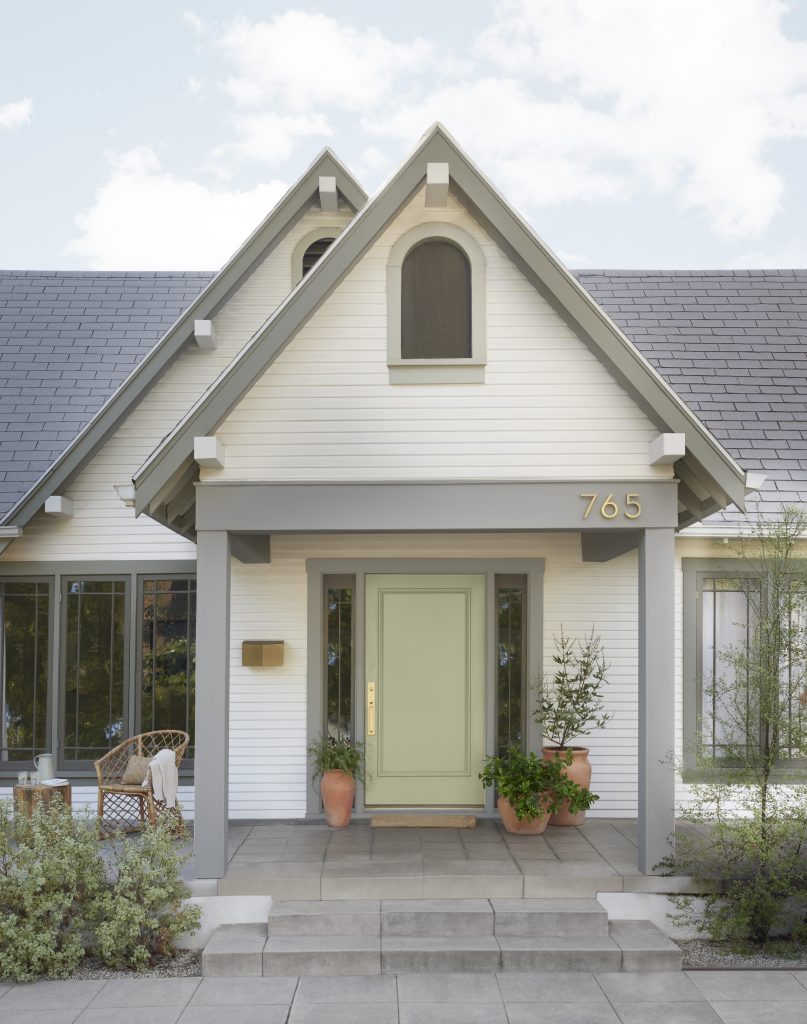
For a cozy cottage look
Try a softer sage such as Sage Brush S370-3 or another muted green direction with cream or warm-white trim. Pair it with stone, weathered wood, aged metal, or simple planting for a collected look that feels relaxed rather than overly polished.
For a Craftsman look
Lean slightly deeper or warmer. Jojoba N390-3, Sage Brush S370-3, or an olive-leaning green can sit comfortably beside stained wood, stone columns, bronze hardware, and earthy roof colors. The goal is not to match every material, but to choose a green that feels at home with the natural palette already on the house.
Coastal Sage Deck Stain Colors for Cedar and Outdoor Wood
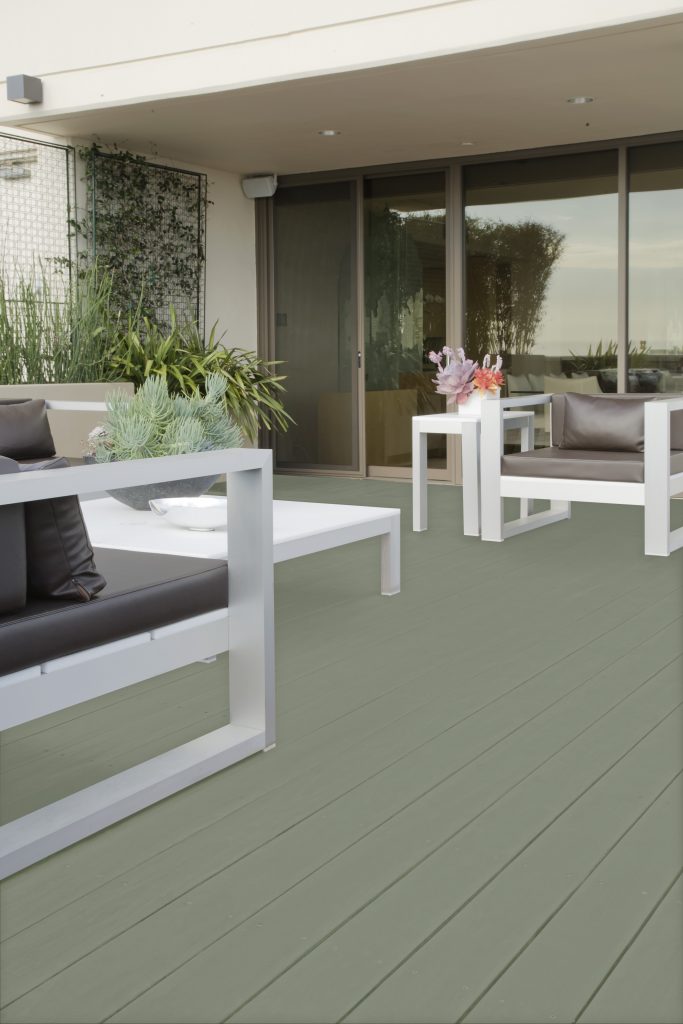
On a deck, green can bridge the gap between the house and the landscape. For a coastal sage direction on cedar, consider Sage Brush S370-3 for a soft olive-green direction, Bitter Sage N390-4 for a slightly richer, balanced sage, or Frosted Sage N400-2 for a lighter gray-green look.
The finish changes the look as much as the color. A solid-color stain creates a more uniform painted appearance, while a semi-transparent stain allows more of the wood pattern to remain visible. That makes semi-transparent sage a natural direction when you want cedar character to stay part of the finished deck.
A Simple Formula for a Cohesive Green Exterior
If you are coordinating several exterior surfaces at once, keep the palette focused: one hero green, one light or warm neutral, and one grounding material or accent. For example, a smoky green body can pair with creamy trim and natural wood, while a sage door can sit against light siding with stone and dark hardware.
Repeating a supporting tone in two or three places can help the exterior feel connected. The wood tone on a front door might reappear on the deck or garage detail, or a dark accent used on lighting can show up again on railings. The result feels coordinated without making every surface identical.
See Your Green Before You Commit
Exterior light changes throughout the day, and surrounding trees, roofing, stone, and neighboring colors can all influence how a green reads. Save a few favorites, test samples on the actual surface, and compare them in sun and shade before making the final choice.
Explore BEHR green paint colors and use the Color Visualizer to start building a palette for your exterior project.
Colorfully yours,
Larayne
Earthy green can work across many exterior styles because sage, olive, smoky blue-green, and forest tones coordinate naturally with materials such as wood, stone, brick, and warm neutrals. The key is choosing a depth that fits the architecture and testing it in the home’s actual light.
Warm white and cream create clear contrast with green, while a related sage or green-gray can create a more layered look. Black, charcoal, bronze, and warm brown can be used in smaller accents to add definition.
Yes. A muted sage can give painted brick an earthy, updated look while the masonry pattern still provides texture. Pair it with warm white or cream trim, natural wood, stone, or restrained dark accents, and use a coating appropriate for masonry.
Soft sage works well for a relaxed cottage direction, while grounded sage or olive can complement the wood and stone common to Craftsman homes. Jojoba N390-3, and Sage Brush S370-3 are useful starting points for those looks.
Green stain can be a natural fit for cedar when you want the deck to connect visually with surrounding landscaping. A solid-color stain creates a more uniform finish, while a semi-transparent stain keeps more of the wood pattern visible. Sage Brush S370-3 and Bitter Sage N390-4 are coastal-sage directions to explore.