Contact a Pro Rep
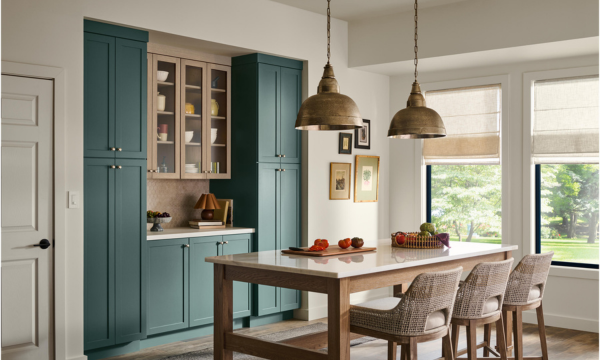
BEHR® 2026 Color of the Year: Hidden Gem
Discover Hidden Gem, a rich blue-green paint color that blends elegance and depth with a lasting, professional finish.
Explore Hidden Gem
Dealing with Difficult Substrates
Learn how to identify and prep challenging paint substrates, including new drywall flashing, tannin bleed, and painting water-based coatings over oil-based surfaces.
Read Expert Advice
How Painting Contractors Build Reputation
Turn today’s project into tomorrow’s referral. Learn how experienced pros build trust, solve challenges, and deliver results that set them apart.
See Pro Tips
Common Commercial Paint Problems And How to Fix Them
Learn how to identify and solve common challenges like poor durability, budget issues, and delays for a successful finish.
Find Expert Solutions
Solving Paint Problems with Older Homes
Tackle the toughest older-home paint challenges with pro-backed tips.
Read Pro Tips
Pro Tips for Painting Cabinets
Get expert tips to prep, prime, and paint cabinets the right way for a lasting, professional finish.
See Pro Tips
Designing with Color
See how Behr brought creativity and color to life at NeoCon, from the iconic Behr bear to the 2026 Color Forecast.
Discover the Design Journey
To Prime or Not to Prime
Learn when to prime and when to skip it. BEHR PRO experts explain how to choose the right products to save time and ensure a professional-grade finish.
Get expert tips
Dark Paint Color Trends
Explore trending dark paint colors and find expert tips for using them to transform residential and commercial spaces.
Discover More
Insider Tips From Behr Pro Reps
Get insider tips from Behr Pro Reps and learn how they support pros with prep, product selection, and opportunities to grow your business.
Learn More
BEHR® 2026 Commercial Color Forecast
A curated collection of 50 colors rooted in elemental harmony.
Explore Collection
Paint Sheen Differences
Learn how paint sheen differences affect the durability and design of a space.
Learn More
Paint Tips From a Chemist
Discover painting tips from one of our own paint formulators and gain insight into proper application to achieve lasting results.
Learn More
BEHR® BioNature Collection
50 colors to infuse harmony and wellbeing into built environments to elevate the human experience.
Explore Palette
Featured Content:
We’ve all seen a beautiful paint job destroyed by tannin bleed, flashing, bubbling, or peeling. Paint failures occur for several reasons, including wrong product, wrong prep, and environmental factors. But it’s not just that; some difficult substrates naturally make the job harder.   To explain the science behind these notorious troublemakers, as well as the right prep and products to ensure success when you encounter them, we talked to Veronica Jimenez, Director of Primers and Specialty Coatings at Behr Paint Company. She was prepped and ready to answer some tough questions about tough substrates.     Flashing on New Drywall   Once the final coat goes on that fresh, new drywall, the last thing you want is to look down the length of the wall to see changing sheens. It’s the dreaded paint failure called flashing, and new drywall has a special knack for inviting it.   “Everyone thinks that drywall is simple,” warns Jimenez. “It can be easy, IF you understand a few simple truths and follow one simple rule.”   Truth #1: Not all drywall is created equal. Truth #2: Not all joint compounds are created equal. Truth #3: Joint compound and joint tape have a different porosity than each other and the drywall itself.     To prevent flashing, use a primer to seal in the differing porosity of drywall, compound, and tape so that the topcoat absorbs evenly.   One Rule: Prep is everything.   First things first: Make sure that you and the drywallers are on the same page regarding finish level. It should be at least a level four or five before you begin painting.   In addition,   Know what products and processes were used. Ensure that all joint compound has been allowed proper dry time (four to eight hours) and has been sanded to hide all imperfections. The surface should be free of dust buildup.   Next, primer is critical. It seals the different porosity of the materials, creating uniform porosity.   If you skip the primer, the topcoat will absorb at different rates, causing flashing. “And the higher the sheen, the less forgiving,” warns Jimenez. “KILZ® Drywall Primer is specially formulated to seal in all that varying porosity so that when you put on the topcoat, you’re far less likely to see flashing.”     There are critical steps you must take to ensure success when painting water-based paint over oil-based paint.   Painting Water-Based Paint Over Oil-Based Paint   There is a long-held rule of thumb that oil sticks to oil and water sticks to water. That’s still true, but today, modern chemistry and a little trick called the bridge coat can still provide an excellent finish when using water-based paint over oil-based paint.   What has made painting water over oil traditionally challenging is that, as oil dries, it hardens and crosslinks. As it gets older, it gets harder and smoother, creating a surface that water-based coatings struggle to adhere to.   However, as chemical companies have transitioned away from solvent-based coatings toward lower VOC products, they have invested significant dollars into improving additives and coating resins.   “Water-based acrylic technology has really improved in the last 10-15 years,” she says.   Those improvements have led to adhesion profiles for water-based paints that would have been expected from an oil-based product.   Jimenez recommends KILZ® Adhesion Primer formulated specifically for this purpose.   “The adhesion profile can go over oil-based and also Kynar.”   While today’s products make it easier for water to adhere to oil, the right prep is also critical to create as many adhesion points as possible.   To create a bridge coat, start by using a TSP or a cleaning solution to ensure the surface is clean.   Next, scuff sand. Regardless of your substrate or sheen, do a scuff sand before priming. If you are painting cabinetry, doors, or trim with a high sheen, scuff sand between each coating application to get a flawless, high-gloss finish.   If you are painting a wall with lower sheen paint, a single scuff sand at the beginning of the process before priming will do.   Don’t forget to clean after sanding to remove all dust particles before applying any coating.     To prevent tannin bleed, use a stain-blocking primer.   Tannin Bleed   Tannin is a natural and important element often found in redwood and cedar. When the tree is in the forest, tannic acid (tannins) creates a hostile environment for fungi and insects, protecting the tree from damage and decay.   When the wood is used as a building material, those same tannins are activated by moisture and drawn to the surface of the paint film. This is what leaves those tea-colored stains on your freshly finished paint job.   A multitude of stain-blocking primers are available to help stop tannin from destroying your topcoat.   Oil/solvent-based primers block the tannins from moving through the film. Water-based primers allow the tannin to move into the primer coat, and as the primer dries, the stain is locked in. KILZ RESTORATION® Primer combines both blocking (reducing the solubility and migration) and locking (as it dries) with specialized chemistry that helps stop tannin bleed from affecting the top coat.   Armed with the right primer, you can significantly reduce tannin bleed.     Knowing the proper prep steps and products is the key to making difficult substrates less difficult.   These substrates have been causing headaches for painters for decades, but luckily, paint companies and chemists like Jimenez have worked tirelessly to innovate and create coatings that solve problems like never before.   That said, surface prep will always be important. “If a surface has dirt or anything that impacts the adhesion profile, the product you choose won’t stop a failure from occurring.   “But if you’ve prepped properly and follow up with a product that was formulated to be a solution to the problem you are facing, you will be successful.”   To learn more about products formulated for specific substrates or challenges, check out the Behr Pro® Primer Brochure or contact your local BEHR Pro® Rep.  
Dealing with Difficult Substrates
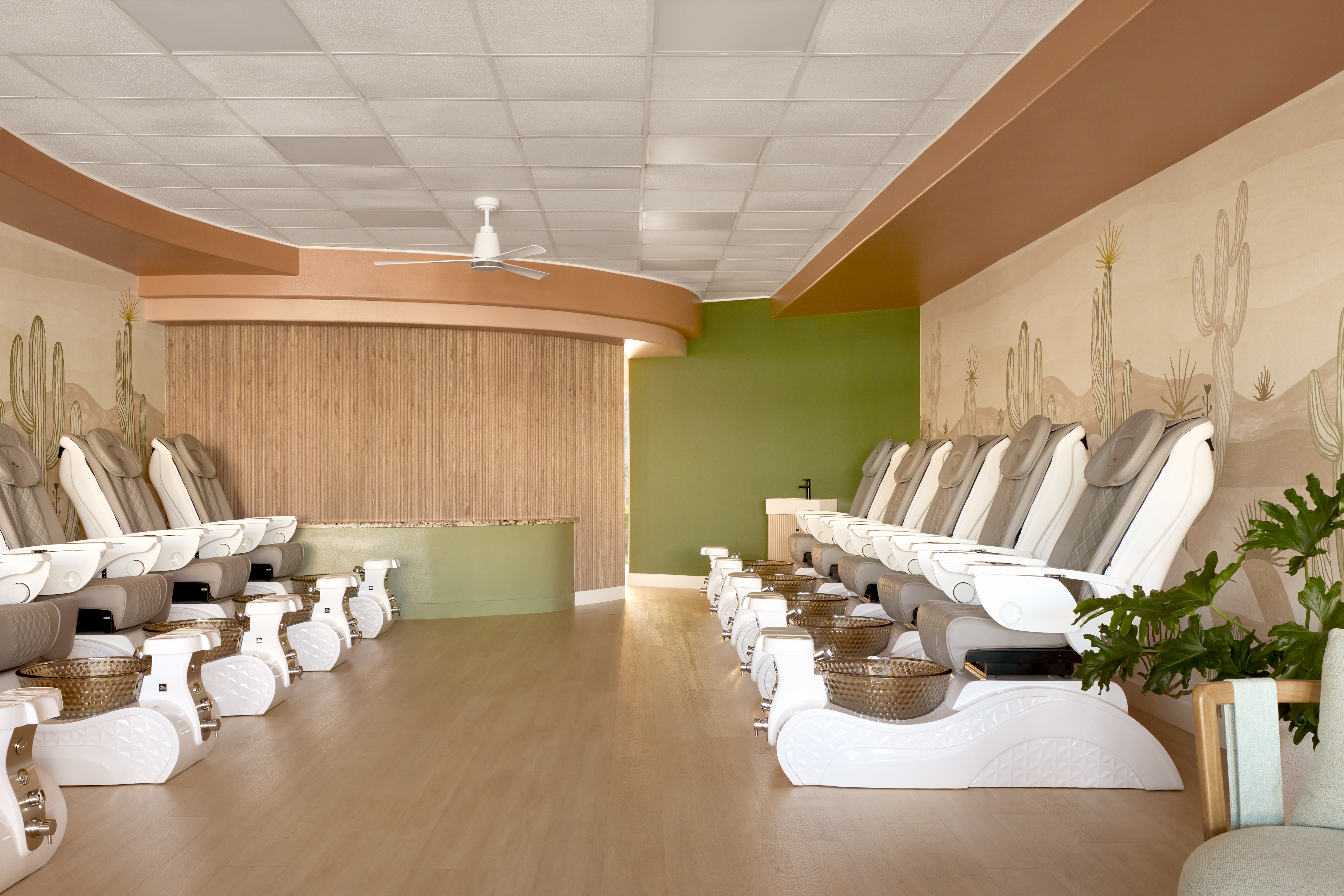
  In a standard retail space with limited architectural detail, thoughtful color selection can do more than enhance a design, it can define it. That was exactly the case for Stone Petal Salon in Palm Springs, CA, where color became the primary tool for creating a relaxing, spa-like environment that still feels fresh and inviting.   Designed by Christopher Kennedy Inc., this project demonstrates how strategic paint choices can elevate both the aesthetic and the client experience, without requiring major structural changes.   Creating a Spa-Like Experience Through Color The client’s goal was to create a space that feels calm and restorative, while still offering a sense of energy and personality. Without strong architectural features to rely on, the design team turned to color to establish mood and visual interest.   Warm, earthy tones were used to create a welcoming atmosphere, while subtle contrasts ensure the space remains dynamic rather than overly neutral. In the main salon areas, these tones wrap the walls and ceilings, creating a cohesive envelope that immediately sets a tranquil tone upon entry.     A Palette Inspired by the Natural Desert Landscape   Rather than leaning into traditional Palm Springs design clichés, the palette draws inspiration from the surrounding environment. The design centers around a desertscape mural, which informed the overall color direction.   The mural acts as both a focal point and a guide, pulling in soft blush tones reminiscent of desert sunsets and muted greens inspired by native cacti. This visual anchor helps unify the space, allowing surrounding paint colors to feel intentional and connected.   The result is a cohesive palette that reflects the natural beauty of the desert while maintaining a refined, modern feel.     Enhancing Architecture with Paint   One of the most impactful design decisions involved the salon’s existing soffits. Instead of removing them, the design team used paint to highlight these architectural elements.   By applying three tonal variations of the same hue, from darkest to lightest, an ombre effect was created across the ceiling and walls. This approach not only draws the eye upward but also visually softens the transitions between surfaces, making the space feel larger and more fluid.   Importantly, this design solution required no additional materials demonstrating how paint alone can deliver high-impact results in a cost-effective way.     Supporting the Client Experience   Color plays a key role in shaping how clients feel within the space. The use of dusty, earthy pinks helps create a calming environment while also being flattering across a wide range of skin tones, an important consideration in a beauty-focused setting.   To balance these warmer hues, shades of green were introduced in select areas, including private treatment spaces. These greens provide a visual reset and reinforce the salon’s spa-like atmosphere, offering clients a sense of calm and privacy.   Together, these colors create an environment that feels both relaxing and rejuvenating.     Balancing Color with Natural Materials   To ensure the palette remains sophisticated, the design incorporates walnut wood accents. These darker elements provide contrast and structure, preventing the lighter tones from feeling overly soft.   In styling stations and millwork, the wood tones ground the space and add a layer of warmth that complements the painted surfaces demonstrating how paint and material selection work hand in hand.     Designing for Functionality   In task-focused areas like the manicure stations, color was used more strategically. A lighter pink tone was paired with bright white tables to ensure that nail polish displays remain the focal point.   This approach allows the design to support the salon’s services while maintaining visual consistency throughout the space.     In waiting areas, soft, enveloping tones create a calming backdrop for clients, while subtle shifts in color help define zones without the need for physical partitions. Every corner of the salon, from open styling areas to more intimate spaces was considered, ensuring a cohesive experience throughout.     Design Takeaways   Color can enhance character and architecture to shape the overall customer experience. By leveraging a cohesive, nature-inspired palette and using color strategically, this design delivers a high-impact result without increasing project complexity or cost.   When architectural detail is limited, paint becomes your most powerful tool. Layering tones, defining zones through color, and drawing inspiration from the surrounding environment can elevate even the most standard retail space.   Colorfully yours, Christopher Kennedy     Want to know more about Christopher Kennedy? Check out his web and social sites.   Designer: Christopher Kennedy Instagram: @christopherkennedyinc BehrPro: Behr Designer Council Photography: Public311 Design    
How Color Transformed Stone Petal Salon into a Desert-Inspired Retreat
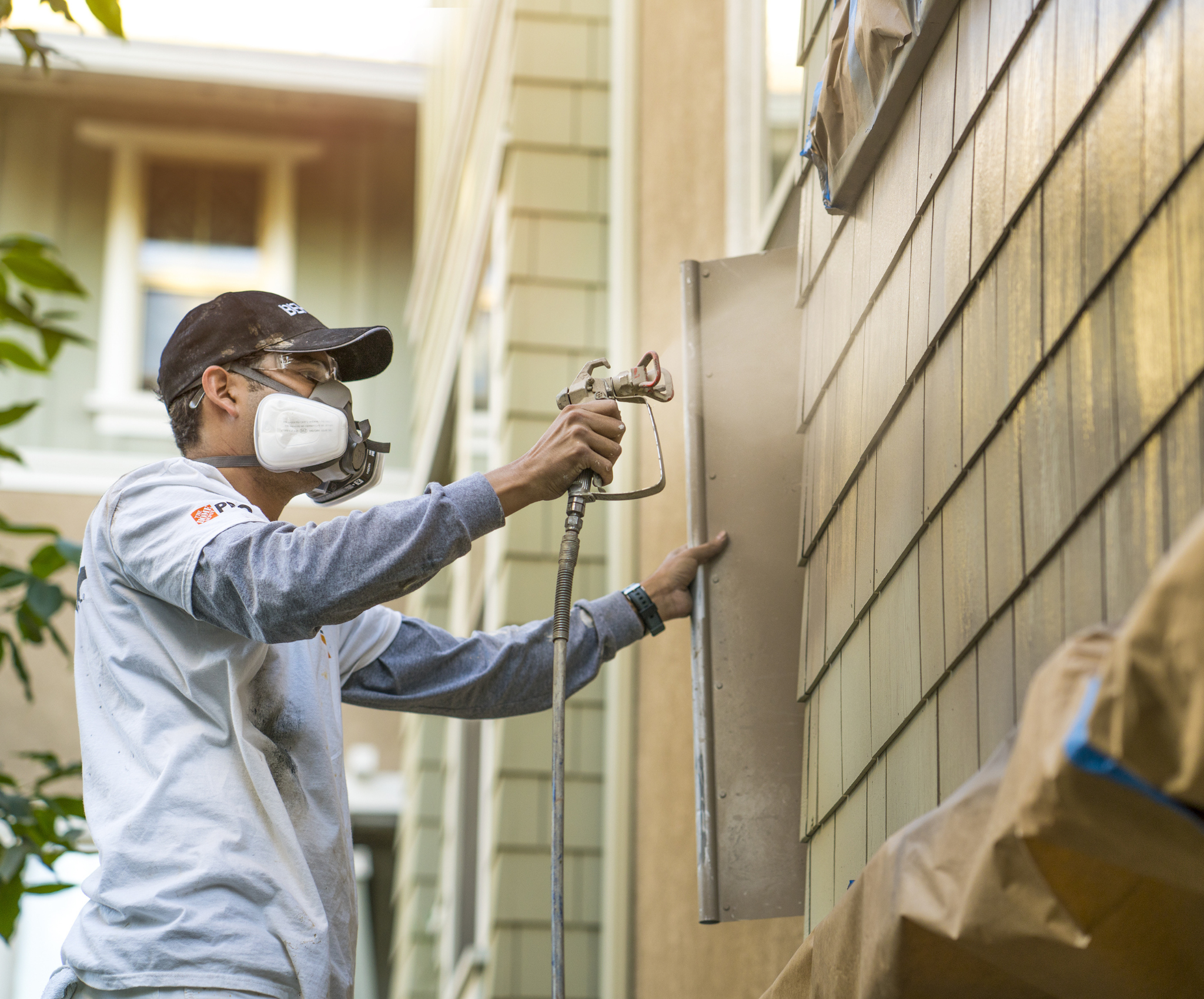
As our world becomes more digital, many painting contractors have focused their marketing attention on search, paid ads, and social media to keep the digital lead funnel full. However, it’s important to remember that a laser-sharp focus on client care, reputation, and strong relationships can keep another lead funnel full: referrals.     Recently, we sat down with two long-time contractors, both recipients of multiple industry awards recognizing them for excellent craftsmanship and customer satisfaction.      Alex Wendt is the Vice President and Junior Decorator of Ecclesiastical Studios and Sons, a Missouri-based painting company founded in 1956, focusing on historic church restorations, including plaster repair, decorative painting, altars, statues, gold gilding, and stenciling     Chad Lyons is the owner of Lyons Painting and Design, a Washington-based residential and commercial painting company serving the Puget Sound area outside of Seattle and the I-5 corridor. With the average employee tenure of 8-10 years, the crews have deep knowledge and exceptional skills.         They discussed how overcoming application challenges, adaptability when surprises pop up, and strong client communications ensure a smooth customer experience that leads to positive word of mouth and referrals.      Emily Howard: How is the painting market looking for 2026?           Alex Wendt: For us, it’s been pretty steady the last five years. Before that, we had some experiences with slower years where the jobs were smaller. I credit word of mouth and the work we’ve done on our website and social media for our steady work recently.     You know, everybody said word of mouth is dead, but in our experience, it’s still there. Priests talk to each other. A lot of them went to seminary together, and they regularly attend retreats together. If you bring value and do what you say you’re going to do, people will talk about you. Word of mouth has been extremely valuable to us.     Chad Lyons: We’re having a much better start to 2026 than 2025. The first quarter of last year was rough, but we’ve had a much better winter so far this year. However, I am hearing locally that there is a slowdown in new projects. The cost of building in the Northwest is high right now for both materials and labor. I don’t think the slowdown is long-term because there are too many people moving to the area for new construction not to come back. But in the short term, high costs combined with higher interest rates are pricing a lot of people out.     We feel fortunate that we have a strong workload because so many of our competitors don’t, but we’re cautious. We’re leaning into the grassroots of sales and marketing with a lot of client care and maintaining our reputation. We know our current client is our referral for our next job.      One of the best ways that a pro can build a strong reputation is by solving tough painting challenges. What are some of the challenges you face in application?            AW: For us, because we’re working over plaster in churches, we have trouble with wax. It’s tough because a lot of times you can’t see it on the substrate until you start painting.     We also deal with a lot of water leaks, plaster repair, and refinishing woodwork. To add to that, you never know what products were used in the last repaint. We use a lot of Shellac primer. It sticks to just about anything, and it sands it nicely.     Darker colors were also a struggle for years. We use a lot of deep base colors like red and blue. It would take three, four, or five coats to get it to cover. We switched to Behr Paint about 15 years ago, and we never went back. What I love about Behr is that after two coats of a dark color, it looks great.     CL: Me too. I’ve been really impressed with the BEHR MARQUEE® paint line for its ultra-deep base.     Because we do a lot of historic restorations as well, we often see signs that the last contractor had a lack of substrate, application, or product knowledge. A lot of times, we show up and find that they used poor processes or the wrong product for the project. It’s so important that pros understand products and how atmospheric conditions affect how they perform.     Another challenge we work hard to overcome is understanding the customers’ goals and budget so that we can set the project up for success. Not everyone can afford the Cadillac of painting jobs, so it’s our job to know where we can step back on product and prep when a budget is tight and still give them a good result.     What’s your strategy for meeting their budget while also guiding them towards the proper products and processes for a lasting finish?           CL: We have a multitude of approaches. From an estimating standpoint, we make sure we are really up to speed on product knowledge, substrate knowledge, and how different conditions affect application and longevity. We educate the client about these things from the start.    On the operations side, we are sure that they are well-versed in the same things. That way, when a pressure wash reveals something the estimator couldn’t see, the team can pivot. Sometimes you have to go to the client and make adjustments to the scope of work, but sometimes we can change how we approach the project to achieve a lasting finish.     We want our crew to speak up if the product specified no longer meets the needs of the situation, but we also want to think creatively about how we move forward.           AW: We charge a fee for site visits and estimates because they require travel and are an intensive process. We make it a priority to answer all their questions and learn as much as we can about their expectations. We also take time to alert them to problem areas and do a rendition with what it could all look like.     I also agree with Chad. When you run into problems you have to adjust. It’s so important to come up with creative solutions and think outside the box and find a way to move forward.     CL: Exactly. We always want the client to understand the challenge, how we’re pivoting, and why.     To learn more about how Behr Paint can help you, contact a BEHR Pro Rep.      
How Painting Contractors Build Reputation

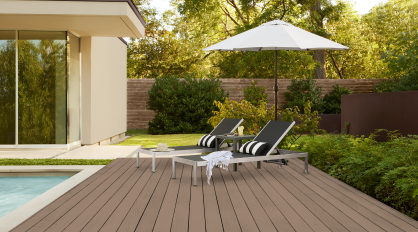
Wood stains shape both the look and longevity of outdoor surfaces while highlighting the natural character of the material. For the 2026 Exterior Stain Color of the Year, Taupe introduces a balanced neutral that blends soft brown and gentle gray undertones for a refined, versatile finish perfect for your clients’ outdoor spaces.   House body: Spanish Sand, wood deck: Taupe (solid wood stain), roof trim: Baronial Brown, fence: Taupe (semi-transparent wood stain) ​    The balanced blend of muted tones brings subtle color to exterior surfaces, allowing the natural wood grain to show through for a timeless finish. The versatility of Taupe helps to create cohesive residential or commercial outdoor environments across a wide range of exterior applications, making it easy to carry a consistent look across different project types.     Taupe Featured in Solid Color (SC-153) & Semi-Transparent (SC-153) Stain   Both solid and semi-transparent finishes offer a polished look on decks, fences, porches, patio ceilings, railings and more.   House body: Taupe, wood deck: Taupe, ceiling: Chocolate (Semi-transparent Wood Stain), railing: BLACK (Spray Paint)   Apply Taupe in a semi-transparent finish to highlight the natural character of the wood while adding contrast and dimension across the surface.   Or choose Taupe in a solid finish for outdoor structures to create a strong architectural feature that anchors the surrounding space.   House body: Boreal, trim: ULTRA PURE WHITE®, deck: Cordovan Brown, railings & pergola: Taupe (Solid Wood Stain)     Outdoor Accent Color Collection   This year’s Exterior Stain Color of the Year launches alongside the Outdoor Accent Color Collection, a curated palette of 18 exterior paint colors designed to complement Taupe and personalize outdoor spaces whether it’s a residential or commercial location, making it easier to tailor each job to your client’s style.       Taupe acts as a grounding neutral for larger exterior wood surfaces such as decks, fencing, siding, and pergolas. While Outdoor Accent Color Collection introduces intentional pops of color for doors, shutters, trim, and outdoor décor, creating a cohesive, customized look across each project.   House body: Boreal, trim: ULTRA PURE WHITE®, deck: Cordovan Brown, railings & pergola: Taupe (Solid Wood Stain)   To support quick updates on the job, select colors from the collection are also available in spray paint, offering a convenient way to introduce coordinated accents and refresh patio furniture, planters, and outdoor accessories.   House body: Muted Sage, floor: Taupe SC-153, trim: ULTRA PURE WHITE®, swing: Park Picnic   The 2026 Exterior Stain Color of the Year and Outdoor Accent Color Collection is available exclusively at The Home Depot. Consumers can find Taupe in a variety of BEHR® products, including the #1 rated exterior stain, according to a leading independent consumer publication, BEHR PREMIUM® Solid Color Waterproofing Stain & Sealer. The color is also available in BEHR PREMIUM® Semi-Transparent Waterproofing Stain & Sealer, BEHR® DECKplus Waterproofing Wood Stain, BEHR® Solid Color House & Fence Wood Stain, and BEHR PREMIUM® ADVANCED DECKOVER®.   To explore the 2026 Exterior Stain Color of the Year and the Outdoor Accent Color Collection, visit behr.com/2026staincoty.  
2026 Exterior Stain Color of the Year: Taupe
While big commercial jobs come with big revenue, more square footage means small problems can quickly become big problems. When challenges or questions arise, don’t overlook one key player who holds a treasure trove of knowledge: your paint rep.   Arek Anysz is a Regional Pro Sales Manager at Behr Paint Company, and he has worked with pros to solve just about every paint challenge in the book. I sat down with him to talk about three common challenges pro painters face on the commercial jobsite and how to fix them. Dry Hide vs. Wet Hide Hiding the surface or color underneath is one of the most important functions of paint. That’s why it’s important to know there are two different kinds of hide: dry hide and wet hide. Dry hide refers to the ability of a fully cured coating to hide the surface underneath, whereas wet hide measures how well a wet coating hides the surface underneath. Ultimately, a good dry hide is the true measure of success.   “We manufacture to have a better dry hide than a wet hide,” says Anysz, “meaning when the product is wet and still curing, it may not look uniform, but as it dries out, the moisture evaporates and all the solids tighten up and level out.”   If a painter is unfamiliar with the product, they may apply too many coats before the paint dries, thinking they need more coverage, which wastes both time and money. The important thing is to let it dry, then decide whether more coats are necessary.   Touch-Up Once paint has dried, cured, and aged, it is notoriously challenging to touch up. “Touch-up is an art form in the paint industry,” says Anysz. Still, the ability to seamlessly touch up paint is a huge selling point, especially in the commercial space. With the right product and some practice, any pro can master their touch-up technique.   Anysz says there are a host of reasons that touch-ups fail. “I’ve seen scenarios that vary from simply not enough paint being applied to using the wrong application method.”   Mastering the perfect touch-up requires matching color, sheen, application tool, and application method, to name a few.   Most pros can match the color and sheen well, but many overlook matching the process and application method.    Use the same tool that was used on the original finish. If you are touching up a wall that was originally rolled and you try to touch up by spraying, that will cause continuity problems. In this instance, back rolling will better achieve the right texture and sheen pattern. It’s also important to ensure you apply paint at the right mil thickness.   Because overworking the paint while it’s curing causes a host of finish problems, it’s important to get it right the first time. If you are new to touching up or you are using a new product, it’s worth a little extra time in the shop to dial in your plan and practice feathering and diluting the paint to get the perfect touch-up.   Temperature Changes Every can of paint tells you the temperature range in which it can be applied successfully. Generally speaking, the range is from 35°F to 90°F. Applying paint outside of the recommended range stresses the paint and can lead to cosmetic issues or coating failure.   It’s critical to remember that the temperature guidelines apply to both ambient and substrate temperature. If it’s 70°F outside and you haven’t checked the substrate temperature, you may believe that you are well within range.   “If you are painting on the sunny side of the house at 2 p.m., the substrate can be over 100°F,” says Anysz. That high temperature on the substrate causes the paint to dry faster than it can level out, leading to flashing, or uneven sheen and visible lap marks.       The same idea applies when it’s cold outside. If the outside ambient temperature is 38°F and you are painting in the shade, the substrate may only be 28°F. That colder substrate temperature can lead to slower film formation, reduced water evaporation, or increased surface tension. All of these lead to white streakiness known as “surfactant leaching”.   Execution Matters Painting in the commercial space can lead to much bigger jobs and higher revenue. Avoid costly mistakes by planning, testing, and utilizing your paint rep to ensure a successful finish.   To learn more about Behr’s commercial-grade products and jobsite solutions, contact your BEHR Pro Rep.    
COMMERCIAL PAINTER WITH BEHR PRO REP AT MULTIFAMILY JOBSITE
Common Commercial Paint Problems
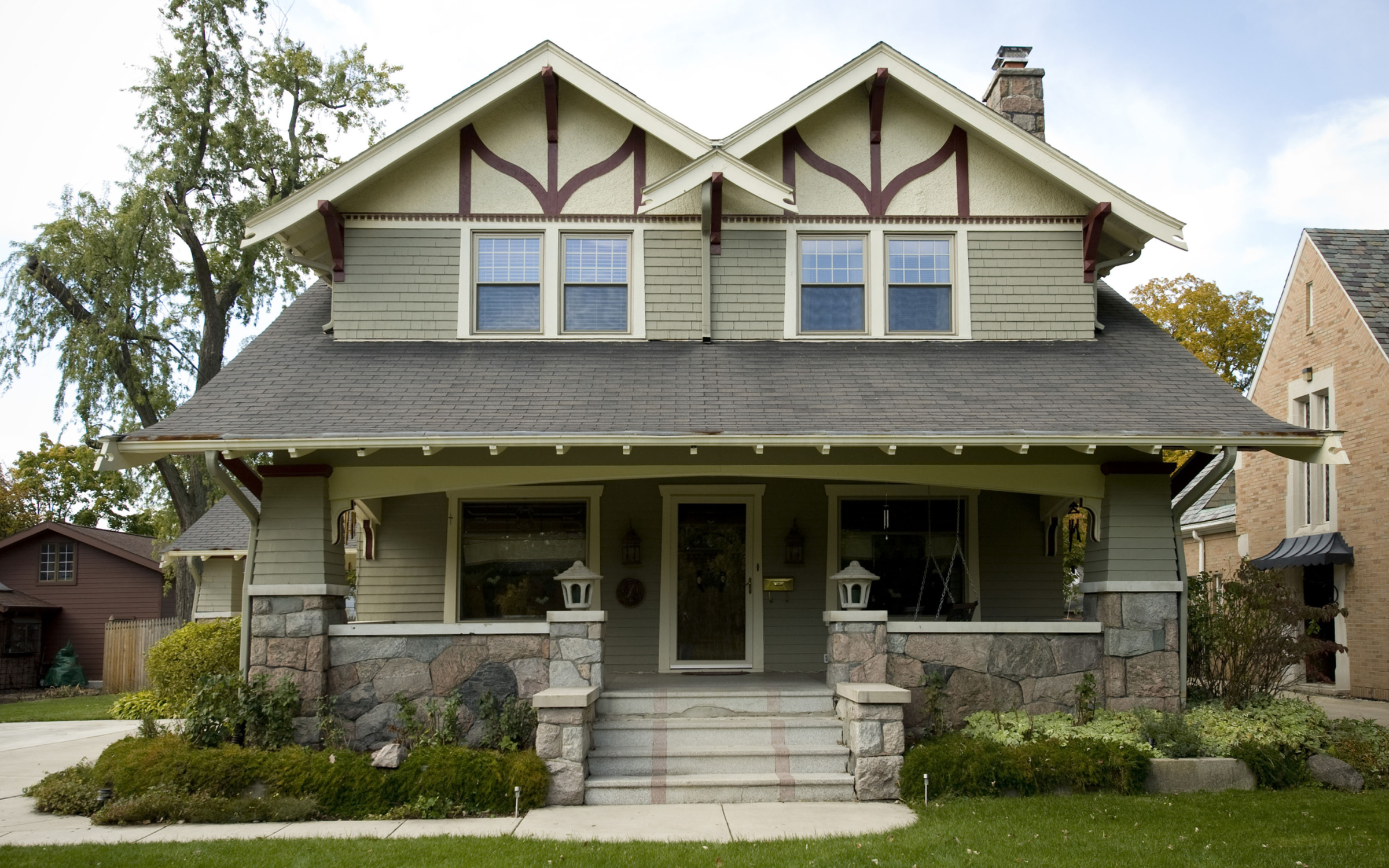
Older homes possess a charm loved by many. While the history and unique details make them attractive to homebuyers, they also make repairs and repaints more challenging for pros. Each project requires astute problem-solving skills and knowledge of products and standards to ensure success.   Peter Schumerth, VP of Product Management, discusses four common problems and strategies to help you restore that old beauty.   Get RRP Certified   Lead-based paint might not be on the shelves anymore, but that doesn’t mean it isn’t hiding on the walls of older homes.   “Painting contractors disturbing the coating on any home that was built pre-1978 require a Renovation, Repair, and Painting (RRP) Certification*,” says Schumerth.   The certification ensures that those working on older homes and potentially dealing with lead-based paint are up to date on the latest rules and best practices surrounding testing, hazards, safety, containment, documentation, and disposal.   Properly Handle Mold and Mildew   Mold and mildew are not uncommon, especially in older homes. When you find the telltale signs of mold or mildew (discoloration, smells, peeling paint, warped substrate, etc.), first things first: Ensure the source of the moisture is fixed.   Next, it’s time to remove the mold and mildew.   “There are many ‘mold-killing primers’ out there,” says Schumerth. “This can create the perception that you can slap the primer on over the mold and mildew, and you are good to go.”   While the mildewcide in these products will help fight both in the future, you need to remove any mold and mildew present before priming. Remove mildew stains with a mildew stain removing product. Commercially available mildew cleaners will do the trick.     Assess the Current Coatings   With older homes, you do not always get to start with a fresh new palette. You can try to talk your clients into taking it down to bare substrate, but time and budget rarely allow that option. This means that each layer of built-up coating has the potential to affect your finished project, requiring additional consideration when choosing prep steps and selecting a paint.**   Start with a thorough assessment of the surface to check for adhesion issues. “You can do this by making a simple ‘X’ mark with a razor (cut as deep as you can and in multiple locations), then do the tape test,” advises Schumerth. “This test allows you to evaluate the integrity of the layers underneath.”   Paint coming up with the tape indicates an adhesion issue. Depending on how large an area peels, you’ll need to either spot sand and prime or do a full sand and prime to ensure you have a smooth, sound surface for your topcoat.   Choose the Right Paint   Each new layer of paint creates tension on existing coatings. Even if your topcoat adheres beautifully to the coating immediately beneath, you need the bridge between each coating below it to hold as well.   “For older homes, I recommend BEHR PREMIUM PLUS® due to its lower binder content. Higher binder and resin content can create more tension, causing additional adhesion stress on the coatings beneath it,” says Schumerth.   While older homes require knowledge and diligence from a pro painter, painting older homes can be a very rewarding and lucrative market.   To learn more about Behr’s products, contact your BEHR Pro Rep.   *This blog is for informational purposes only and contractors are responsible for complying with all applicable federal, state, and local regulations.   ** If you encounter significant mold, water damage, or structural concerns, consult a licensed professional to assess current conditions before proceeding. The guidance provided here is intended for general informational purposes only and may not apply to all situations.  
Solving Paint Problems with Older Homes
For homeowners, beautifully painted cabinets can be a great source of pride. For painting pros, they can showcase exceptional skill, product knowledge, and attention to detail. However, these projects are notoriously unforgiving, especially when steps are skipped or improper products are selected. Check out this list of pro tips to ensure you and your crew are prepped to do the job right.   Customer Prep All jobs start with excellent prep, and the first prep step is fully understanding the expectations, current conditions, and potential challenges. Start by finding out the level of finish that the customer expects.   “It depends on what the paying customer wants. You’ll choose different products depending on whether they want a factory finish or a basic repaint to spruce up the cabinets,” says Ed Edrosa, Senior Product Manager for Behr Paint.   Many contractors offer an array of products and finish levels, so the customer can choose an option that meets their needs and budget. If you only do high-end projects and are unwavering in your quality standards, create a strong qualifying process to identify the prospects who can afford your level of work.     Before giving an estimate, inspect for defects that could add additional prep work to the project. High levels of grease, dents/holes, mixed materials, and wood species that require grain filler are a few examples of things to look for. Prepare for sneaky challenges that often pop up once the project is in process. Many contractors recommend a clause in the contract that addresses how unforeseen challenges will be handled.   Job Site Prep A well-planned job site helps the job move along efficiently, ensures that everyone stays safe, and that everything in the home stays clean and damage-free.   Overspray: Since most cabinets will be sprayed, all surfaces not being sprayed should be properly covered to protect them from overspray. Ventilation/PPE: Properly train crew members and ensure use of appropriate PPE. Set up your site for proper ventilation and air filtration. Lighting: Good lighting is critical to ensure that nothing is missed during prep and you can quickly see any imperfections in the coating that need attention. Transportation: If you are taking drawers and doors off-site to a shop, don’t forget to wrap and secure them to protect the items from damage.   Surface Prep Grease and oil are common in kitchens, and they wreak havoc on paint. Begin with a good old-fashioned cleaning. Grease cutters like Dawn dish soap, TSP, and, in tough situations, denatured alcohol are good go-tos. Inspect and scrape the cabinets, and clean all their nooks and crannies.   Sanding strategy and primer choice are situational. Generally, a three-coat system with a scuff sand before each coat will give you a quality result. Follow these steps:   Sand Prime Sand Coat one Sand Coat two   Remove dust with a vacuum cleaner after sanding, and wipe all surfaces with a wet rag or tack cloth.   Choose a primer that is formulated for your specific situation. For instance, if you are painting enamel over previously painted cabinets, “our BEHR® Kitchen, Bath & Trim Stain-Blocking Primer & Sealer will do the trick,” says Edrosa. This primer blocks medium-to-heavy stains and is perfect for properly prepped glossy surfaces. However, if you are working on something like melamine cabinets, it’s better to use a bonding primer like BEHR Interior/Exterior Bonding Primer for its high-adhesion qualities. Paint “Not every paint can be used on cabinets,” warns Edrosa. Even once old grease is removed, the new coating needs to hold up to future grease. “The oils soften the paint film, so if you don’t use the right paint, you can end up with something that looks good, but you’ll get a callback in a few months because the paint is softening and accumulating dirt.” Cabinet paints are formulated with special resins designed to resist grease and prevent staining. While it is possible, it’s rare to see a successful cabinet job that doesn’t use spraying as its primary application method. “Technique plays a big part in a beautiful and lasting result,” says Edrosa.     Before spraying, always strain the paint to remove impurities that can clog the tip or spray debris with your topcoat. It’s best to apply two thinner coats as opposed to one thick coat.   Build a System It might seem impossible to create a system that handles the wide array of substrates, expectations, and challenges that come with painting cabinets, but if you establish standard operating procedures around what you see most and build flexibility into contracts for unknown unknowns, you can take a lot of stress out of the job.     Set your standard offers and price, and only take on those gnarly jobs when you are sure you are ready for them (and up-charging for them).   Cabinets, while more challenging than a lot of other repaint work, are popular and lucrative projects. It’s worth the time and effort to become known for your excellent cabinet work.   To learn more about Behr’s cabinet products, contact your local BEHR Pro Rep.  
Pro Tips for Painting Cabinets
       Behr Contributing Writer: Stephanie Lindsey, Principal and Co-Founder of Etch Design Group   Imagine painting a bear… a BEHR bear. At NeoCon, Behr Paint typically has this life-sized bear for guests to paint, and each year is a new design on the bear. It’s a creative approach to showcasing their brand. In the middle of the booth, this 3D bear is sectioned off into small squares, each about three inches wide, and it was the talk of the show. I loved seeing how the bear changed with each visitor! This collaborative art piece became an unexpected emotional moment for many of us.   Each painted square added to the story of the bear, which in turn, told the story of those who had passed through the space.   There was something special about watching people discover the Behr bear, take time to think about what they wanted to paint – and which spot – and then invest time in something tactile and creative during such a busy conference. It made me think about the design industry as a whole and how we all contribute to the larger community as a team. Which then leads me to think about the Behr Designer Council for this year…     Earlier this year, I had the privilege of joining Behr’s inaugural Designer Council. We met for the first time in California at the Behr headquarters, and that trip set the tone for everything that followed. We dove deep into product knowledge, toured their facilities, and met the Behr team. We had open conversations about design trends and where the industry is heading. The Behr team had done so much research on past, current, and future trends, and it was eye-opening to see what those looked like visually. What stood out the most was how much Behr truly listens.   They want to know what matters to designers. And when you feel heard, you naturally become an advocate for that brand.   As a group, we were tasked with creating initial concepts for the 2026 Commercial Color Forecast, and it was such a blast! It’s not every day that we as designers get to be involved in something like that. I have a personal love for Fusion Dream because it ties into my love for technology and AI. Glamorous (P130-7) and Inferno (P190-7) are my two top favorites within that collection. At NeoCon, we revealed the 2026 Color Forecast, and I felt honored to represent the council at the Behr booth.   People were so curious, not just about the colors, but about how they were chosen, what they represent, and how they’ll be used in commercial spaces.     Oh, and the tote bags? Did you hear about the tote bags? Behr created the cutest teal totes for the event, and they became hot commodities. We literally had to space out their distribution to make sure we didn’t run out by day two. I saw people walking the show with five different totes, but you better believe the Behr bag was always on top.     Seeing the buzz at NeoCon reminded me of our own projects where Behr has played a role. At Acton Academy, we designed and executed three murals using Behr colors. One featured a bold logo wall that greets students every morning, another was a geometric patterned mural, and the last was a quote wall that inspires curiosity and learning. These murals were brought to life by local muralist Tiffany Dewitt from Color Brush Co, and her artistry paired perfectly with Behr’s vibrant and durable paint selections.         As a co-founder of Etch Design Group, I’m always looking for ways to blend innovation and authenticity. And as the co-creator of AI for Interiors, it’s exciting to be part of conversations that span from color trends to cutting-edge technology.   If you’re curious about where commercial color is headed or want to see how Behr is pushing the boundaries, check out the full 2026 Color Forecast. And if you ever get the chance to paint a piece of a Behr bear, don’t hesitate… because trust me, your little square might just inspire the next big thing.  
Designing in Color
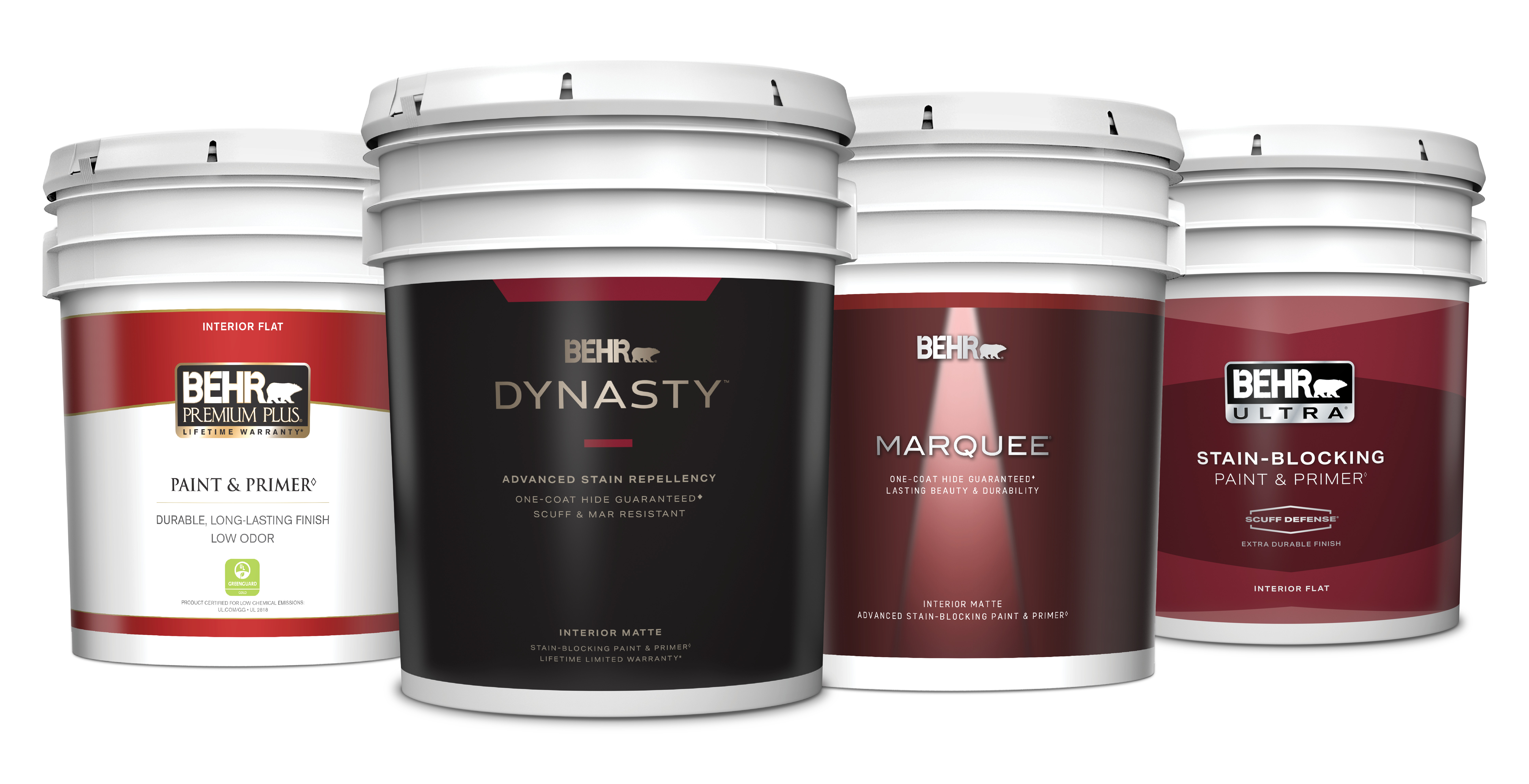
Paint and primer in one formulas have long been a hot topic of conversation among pro painters. While fewer steps can benefit busy contractors, you should never compromise quality.   Ultimately, superior finishes require proper product selection and prep. “Using a primer is widely regarded as best practice in the professional painting world,” says Ed Edrosa, Senior Product Owner – Pro at Behr Paint Company.   While skipping important steps is not the right path to a professional finish, it’s worth knowing when to prime and when a paint and primer in one product can save time and produce a beautiful, flawless finish.     Paint with a Primer, vs Paint and Primer in one “Paint is a coating made to be decorative and to protect. It enhances the beauty and seals the surface,” says Stephanie Glick, Research Fellow at Behr Paint Company. “Primer, on the other hand, is a little bit more complex. Primers are much softer and gummier. They’re made for adhesion, and it’s much easier for them to do the one thing they’ve been formulated for.”   Because many primers are formulated for specific scenarios, a thorough understanding of where products perform best is crucial. “Primers can create adhesion to surfaces that are harder to stick to, seal porous substrates, lock in stains and odors, prevent cracking, block tannins, prevent grain raise, and lock in efflorescence, to name a few,” stated Glick.   Paint and primer products are designed to do a bit of both and are also designed for specific scenarios. “You are still going to get a really good primer, but not a primer built for specific challenges,” says Glick. The key to choosing the right product for your job comes down to the substrate and your goal.   A few of the questions you should ask yourself before choosing a paint, a primer, or a paint and primer product include:   What is your substrate? Has it been previously coated? With what? Are there imperfections? (Stains, holes, etc.) Do you need scuff resistance? Do you want one-coat hide? Do you want 10-year color fade protection? Is easy touch-up and spray sheen uniformity important to you? What’s your budget? To Prime   Generally speaking, you need to prime before painting when working with raw or imperfect surfaces that need a bit of extra attention to get them smooth, sound, and ready for a topcoat.   For example, new or unsealed surfaces require primer.  “With drywall, you’ll see sheen differences at the joint line if you don’t prime,” says Glick. Additionally, porous surfaces, like stucco, will soak up too much paint, making priming the most efficient and economical choice. “A blocking primer is best for wood, especially redwood, cedar, teak, and mahogany, to avoid tannin bleed,” says Glick.   There are primers specifically formulated for metal and concrete. “For instance, BEHR® Metal Primer is formulated to help protect new metal surfaces from corrosion and can even be applied over sound, rusty metal,” said Edrosa. BEHR® Multi-Surface Stain-Blocking & Sealer ensures better adhesion and long-term durability on concrete or masonry surfaces with high alkalinity.     While some situations require a full prime, others only require spot priming.  Glick points to tilt-ups, a construction method commonly used in many commercial buildings  as a great example. Tilt-up construction is a building technique where large concrete panels are made flat on the ground then tilted upright after they dry.    “If you use BEHR PRO® e600 Exterior Paints, you can do all the broad surfaces without a primer because it’s great at sealing the surface. However, on tilt-ups, you have sealant between the joints, and because the sealant is  so flexible, you have to add a primer coat to help the coating flex with the natural movement of that joint.”       Or Not to Prime   Not all paint jobs are fraught with challenges. This is where a paint and primer in one product can save time and money. “Paint and primer products are generally most effective when refreshing previously painted surfaces that are in good condition, particularly for interior spaces. They offer convenience and solid coverage in these scenarios,” says Edrosa.   “Even if you have a stain on the wall, like lipstick, some of our higher lines, like BEHR Dynasty®, are designed to block those very well. However, if you want to buy a more economical product, you might want to spot prime those stains,” says Glick.     Every paint job is unique, but with the proper knowledge, you can choose the right product to solve problems and save time.   If you have product selection questions, contact your local BEHR Pro Rep.  
To Prime or Not to Prime
Load More
Shop Behr Products
Explore more on homedepot.com
BS_THD_Logo_Exclusive_RGB (1)