Contact a Pro Rep
BEHR® 2026 Color of the Year: Hidden Gem
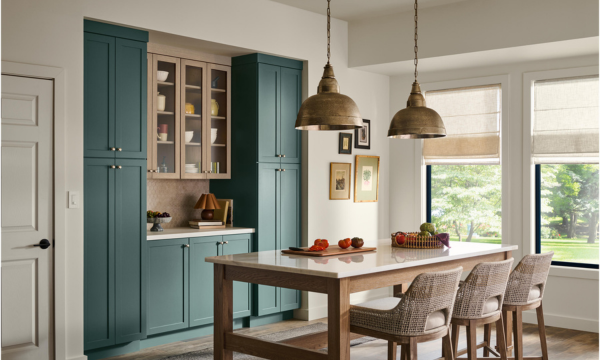
Discover Hidden Gem, a rich blue-green paint color that blends elegance and depth with a lasting, professional finish.
Explore Hidden Gem
Designing with Color
See how Behr brought creativity and color to life at NeoCon, from the iconic Behr bear to the 2026 Color Forecast.
Discover the Design Journey
To Prime or Not to Prime
Learn when to prime and when to skip it. BEHR PRO experts explain how to choose the right products to save time and ensure a professional-grade finish.
Get expert tips
Dark Paint Color Trends
Explore trending dark paint colors and find expert tips for using them to transform residential and commercial spaces.
Discover More
Insider Tips From Behr Pro Reps
Get insider tips from Behr Pro Reps and learn how they support pros with prep, product selection, and opportunities to grow your business.
Learn More
BEHR® 2026 Commercial Color Forecast
A curated collection of 50 colors rooted in elemental harmony.
Explore Collection
Paint Sheen Differences
Learn how paint sheen differences affect the durability and design of a space.
Learn More
Paint Tips From a Chemist
Discover painting tips from one of our own paint formulators and gain insight into proper application to achieve lasting results.
Learn More
BEHR® BioNature Collection
50 colors to infuse harmony and wellbeing into built environments to elevate the human experience.
Explore Palette
Featured Content:
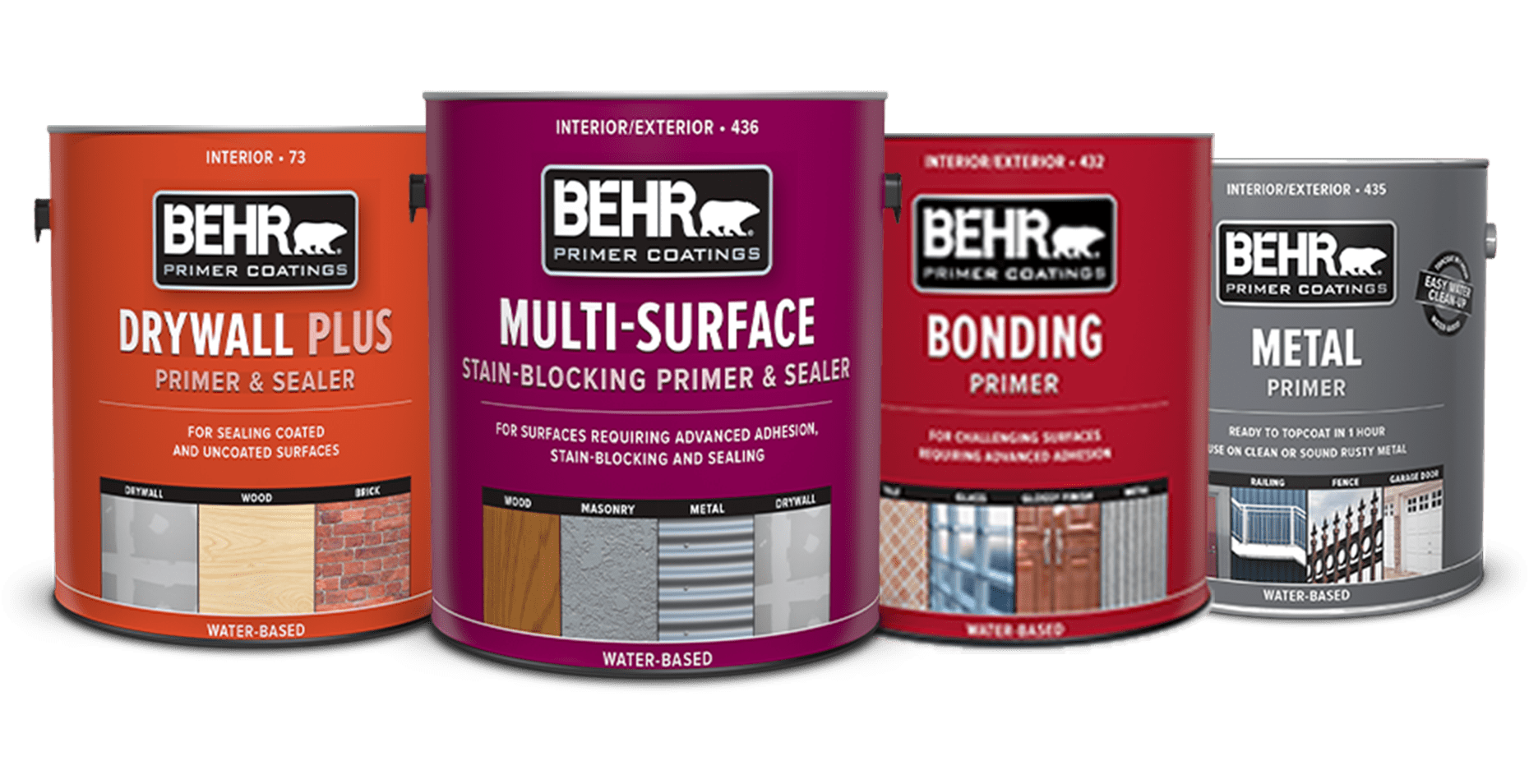
Paint and primer in one formulas have long been a hot topic of conversation among pro painters. While fewer steps can benefit busy contractors, you should never compromise quality.   Ultimately, superior finishes require proper product selection and prep. “Using a primer is widely regarded as best practice in the professional painting world,” says Ed Edrosa, Senior Product Owner – Pro at Behr Paint Company.   While skipping important steps is not the right path to a professional finish, it’s worth knowing when to prime and when a paint and primer in one product can save time and produce a beautiful, flawless finish.     Paint with a Primer, vs Paint and Primer in one “Paint is a coating made to be decorative and to protect. It enhances the beauty and seals the surface,” says Stephanie Glick, Research Fellow at Behr Paint Company. “Primer, on the other hand, is a little bit more complex. Primers are much softer and gummier. They’re made for adhesion, and it’s much easier for them to do the one thing they’ve been formulated for.”   Because many primers are formulated for specific scenarios, a thorough understanding of where products perform best is crucial. “Primers can create adhesion to surfaces that are harder to stick to, seal porous substrates, lock in stains and odors, prevent cracking, block tannins, prevent grain raise, and lock in efflorescence, to name a few,” stated Glick.   Paint and primer products are designed to do a bit of both and are also designed for specific scenarios. “You are still going to get a really good primer, but not a primer built for specific challenges,” says Glick. The key to choosing the right product for your job comes down to the substrate and your goal.   A few of the questions you should ask yourself before choosing a paint, a primer, or a paint and primer product include:   What is your substrate? Has it been previously coated? With what? Are there imperfections? (Stains, holes, etc.) Do you need scuff resistance? Do you want one-coat hide? Do you want 10-year color fade protection? Is easy touch-up and spray sheen uniformity important to you? What’s your budget? To Prime   Generally speaking, you need to prime before painting when working with raw or imperfect surfaces that need a bit of extra attention to get them smooth, sound, and ready for a topcoat.   For example, new or unsealed surfaces require primer.  “With drywall, you’ll see sheen differences at the joint line if you don’t prime,” says Glick. Additionally, porous surfaces, like stucco, will soak up too much paint, making priming the most efficient and economical choice. “A blocking primer is best for wood, especially redwood, cedar, teak, and mahogany, to avoid tannin bleed,” says Glick.   There are primers specifically formulated for metal and concrete. “For instance, BEHR® Metal Primer is formulated to help protect new metal surfaces from corrosion and can even be applied over sound, rusty metal,” said Edrosa. BEHR® Multi-Surface Stain-Blocking & Sealer ensures better adhesion and long-term durability on concrete or masonry surfaces with high alkalinity.     While some situations require a full prime, others only require spot priming.  Glick points to tilt-ups, a construction method commonly used in many commercial buildings  as a great example. Tilt-up construction is a building technique where large concrete panels are made flat on the ground then tilted upright after they dry.    “If you use BEHR PRO® e600 Exterior Paints, you can do all the broad surfaces without a primer because it’s great at sealing the surface. However, on tilt-ups, you have sealant between the joints, and because the sealant is  so flexible, you have to add a primer coat to help the coating flex with the natural movement of that joint.”       Or Not to Prime   Not all paint jobs are fraught with challenges. This is where a paint and primer in one product can save time and money. “Paint and primer products are generally most effective when refreshing previously painted surfaces that are in good condition, particularly for interior spaces. They offer convenience and solid coverage in these scenarios,” says Edrosa.   “Even if you have a stain on the wall, like lipstick, some of our higher lines, like BEHR Dynasty®, are designed to block those very well. However, if you want to buy a more economical product, you might want to spot prime those stains,” says Glick.     Every paint job is unique, but with the proper knowledge, you can choose the right product to solve problems and save time.   If you have product selection questions, contact your local BEHR Pro Rep.  
To Prime or Not to Prime

While neutral paint colors like beiges and grays have dominated for decades, darker colors have been trending as people look to incorporate more personality and depth in their spaces that are bold, elegant, and full of possibility. Darker neutrals are also becoming increasingly prominent as the industry shifts to an overall dark and warmer aesthetic across colors, finishes, and materials.   Walls: Dark Everglade HDC-CL-21A Darker colors can make a statement in residential and commercial color schemes in a multitude of ways, ranging from small, dramatic accents to full color-drenched spaces. BEHR® Paint is available in several curated collections like the Designer Collection and 2026 Color Trends Palette with dark hues your clients are craving this year. Hear from Behr Paint Company’s VP of Color and Creative Services, Erika Woelfel, on how to play with bolder color in interesting and unique ways.   A New Era of Elegance The BEHR Designer Collection is designed to highlight the go-to colors that can be used anywhere,” says Woelfel.   It includes many classic, light neutrals that your clients know and love, but it also features some darker, deeper colors to elevate and personalize your clients’ spaces.   Some of the notable colors in the designer collection include Dark Everglade, a shady blackened green that exudes luxury, while Rumors, our 2025 Color of the Year, brings deep, ruby red allure. Dark browns are also trending, including Espresso Beans, which packs a bold and beautiful punch.   Cracked Pepper, our 2024 Color of the Year, remains in the spotlight for both interiors and exteriors as a soft black with timeless and modern appeal.   There’s just amazing versatility with that color,” says Woelfel.   Walls: Cracked Pepper PPU18-01; Ceiling: Winter White DC-004   She also calls out Midnight Blue, “which is the darkest a blue can be before it turns to black. It’s just beautiful. It has this nice saturation to it, and you can use it with camel-colored neutrals or caramel-colored leather tones.”   Right Building: Midnight Blue N480-7; Left Building: Dove HDC-MD-21   Using Dark Colors Darker colors naturally create cozier and more intimate spaces than lighter colors.   People are often afraid or nervous that a darker color will make their room feel smaller,” says Woelfel.   If your client is concerned about this, Woelfel recommends two strategies. The first is color-drenching, which can create a more expansive feeling.   Woelfel explains, “When the walls and the ceiling are the same color, it becomes a cohesive whole. Done well, it actually pushes the boundaries out to make a space appear larger.”   Walls & Ceiling: Rumors MQ1-15   If color-drenching doesn’t fit your client’s style, another option is to skillfully balance the darker colors with light/neutral colors.   “This avoids the feeling of heaviness that can come with darker colors.”   A wall split with a chair rail or wainscoting can have a darker color below and a lighter color on top (or vice versa). This approach allows for two different sheens to create dimension and depth, for example a matte finish on upper wall and a satin sheen on wainscoting—as seen in our Paint Sheen Differences blog.   Upper Wall: Perfect Taupe PPU18-13; Lower Wall: Aubergine N100-7; Trim & Ceiling: Blank Canvas DC-003   As always, architectural features of a room are a great opportunity to create a splash of drama.   Painting the kitchen island or a bathroom vanity with a dark color is a small way to make a big statement for your client’s space.”   A Note on Dark Colors Often times, darker colors can be more challenging to apply than lighter colors. It’s important to remember that an experienced painting contractor and high-quality paint are essential to achieving a flawless finish for your client’s space. Choosing a top-quality paint like BEHR® MARQUEE Interior Paint or BEHR® DYNASTY Interior Paint can ultimately result in a more vivid finish and keep the surfaces of your projects looking newer longer—all with one-coat hide guaranteed in over 1,000 colors.*   In addition, stunning, dark colors can be a major commitment for residential and commercial spaces. Done poorly, they can sometimes be overwhelming and distracting in an environment.   Sometimes it’s a good idea to start with a big, bold color in a smaller room before using it in a big room,” says Woelfel.     Finally, Woelfel doesn’t recommend darker colors in rooms that don’t have enough natural light.   She says, “The best way to use these colors is if you’re getting plenty of natural light during the daytime and terrific lighting at night that really plays up the color.”   She also says it’s important to balance darker colors out with lighter furniture, flooring, and/or artwork.   Take the risk. It can be amazing.”   To learn more about the beautiful, bold colors Behr offers, contact your local Behr Architectural & Design Rep.   *Limitations apply. One-coat hide in 1,000+ colors. One-coat hide excludes untinted bases, colors outside of the Interior One-Coat Color Collection and all other colors that have not been selected as one-coat hide from other BEHR® palettes. Not valid when painting over uncoated, porous or repaired interior surfaces; over woods that contain tannins such as redwood or cedar; or when painting over heavy stains, which may require spot-priming, multiple coats, and/or longer dry time.  
Dark Paint Color Trends
Keeping jobs running on schedule, failure-free, and under budget is the goal of any paint professional, so it’s vital to use every available resource. One valuable ally you should never overlook is your Pro Rep, who can help you with anything from troubleshooting coating issues and product selection, to getting discounts and finding prospective customers.     Behr Pro Reps spend years mastering the BEHR® product portfolio, including application methods and proper selection. They also dedicate themselves to understanding end users, many of whom are (or could be) your customers too. Behr Pro Reps understand the needs and challenges of our customers across our audience segments, including pro painters, architects, designers, property managers, and facility managers. Hear from three Behr Pro Reps who share their top tips for pros on the job.   1. Proper Prep is Critical. Erik Miranda has been with Behr for five years, including three years in the field working directly with pro painters. Most of the problems I see stem from improper prep or product selection,” says Miranda.   It’s painting 101, but it always bears repeating (pun intended): Fully and properly prep the surface. If you find that you have a coating failure, reach out to your Behr Pro Rep. Together, you can review each step in the process to see how the problem originated and create  a plan to fix it.   2. Know When You Can/Can’t Use Paint-and-Primer-in-One. Another issue that Miranda noted is improper use of paint-and-primer-in-one products.   Always keep in mind that the paint-and-primer-in-one products are for specific circumstances,” said Miranda. “With a brand-new surface, a primer is still needed to seal that surface before applying a topcoat.”   Paint-and-primer-in-one is a great choice for a surface that is properly prepared, like an interior repaint. The increased solids mean better coverage without the use of a separate primer.     However, if you are dealing with a surface like new drywall, wood, metal, or areas you’ve patched, take the extra step of priming to ensure that the surface is ready for the topcoat.   It takes a little bit longer, but at the end of the day, it’s going to provide the customer with a more foolproof job,” says Miranda.   3. Working With Your Rep Could Mean More Business. Nicole Higgins is an Architectural and Design Rep for Behr in Atlanta, GA. She spends her days meeting with designers and architects to educate them on the perfect BEHR products for their projects.     You might wonder what that has to do with pro painters.   My biggest role with pro painters is to funnel them opportunities,” says Higgins.   This makes her an excellent and valuable resource for painting contractors with whom she works,   Once a project is specified with Behr, I help bridge the gap between the design side and the execution side by identifying professional painters and contractors who are qualified to bid on the work. This gives painters access to high-value commercial opportunities they might not otherwise be aware of.”       Because of this symbiotic relationship, Higgins generates new opportunities for pros while Miranda ensures those same pros are using the right products leading to on-time job completion.   We really work together as a team to present a complete portfolio of what Behr can offer. We don’t just help with paint orders, we generate and create projects,” says Higgins.   4. Take the Behr Pro Challenge. If you haven’t tried BEHR® Paint before, you might qualify to give it a test run.   If you have a painter who only wants to use one of our competitor’s products, we can provide an equivalent BEHR product to test in an adjacent room. This way they can paint one room with the competitor’s product and then one room with the equivalent BEHR product and then form a judgment,” says Higgins. “This challenge is very successful in persuading customers to choose BEHR Paint because they see our product quality firsthand.”       The Behr Pro Challenge not only allows painters to test out a new product, but it also allows you to better understand the true value of the products you select.   The Behr Pro Challenge was introduced to show the value of BEHR Paint, but you have to measure the true cost,” says Mario Garita, National Account Manager for Property Management. Contact your local Behr Pro Rep for more information.   5. A Higher-Grade Paint Can Save Time and Money. Garita has worked for Behr for 26 years, and today he works closely with multi-family property managers—both existing and new construction.   Garita points out the importance of measuring the true job cost and not just cost-per-gallon.   A lot of times we end up proving that a higher quality product is actually cheaper,” says Garita.   For instance, if you paint two rooms and the first is painted with an entry-level product that costs $10 per gallon, and it takes seven gallons to get a good finish, that would be $70. But if you painted the second room with a mid-level paint that costs $15 per gallon, but got full coverage using four gallons, the cost is only $60. In addition, you have a lower labor cost when applying four gallons compared to seven.   That’s where we have to educate our customers. You may pay more for the product, but you’ll use less product, representing an overall savings,” says Garita.       Working hand-in-hand with your Behr Pro Rep grants you access to a valuable resource that can save you time, money, and even help you get more business.   Learn more about what your Rep can do for you and your business here.  
Insider Tips From Behr Pro Reps
Have you uncovered the BEHR® 2026 Color of the Year? Hidden Gem is a smoky jade that’s redefining design in both residential and commercial spaces.      With its elegant balance of blue and green, Hidden Gem delivers a rich and dynamic shade that resonates across interiors—from multifamily living rooms to boutique hotel lobbies and modern office suites. This subtle yet captivating hue offers professionals a sophisticated option that’s as timeless as it is trend-forward, making it the perfect choice to elevate any environment with ease and intention.      Crafted by BEHR® Color Experts to reflect growing demand for grounded, nature-inspired tones; Hidden Gem shows how subtle color choices can redefine commercial interiors.       In high-touch environments like this modern washroom, Hidden Gem transforms an everyday utility space into an intentional design statement.          Designed to bring a quiet confidence to open layouts, this shade offers visual interest without overwhelming the space. The result is an elegant, polished look that works across a wide range of modern workplaces.          Pair with muted neutrals and grounded accents to bring calm sophistication and create a welcoming first impression in healthcare spaces.         Now’s the time to show your clients how subtle color can make a stunning statement with BEHR® Hidden Gem.    To explore more of the 2026 Color of the Year, visit behr.com/2026coty.  
2026 Color of the Year: Hidden Gem
Stucco is a beautiful architectural element for both residential and commercial buildings. With a rich history dating back to 1,400 BCE in Greece, it’s a substrate that has stood the test of time. Today, it remains as popular as ever thanks to its natural look and timeless appeal.   Like most substrates, stucco is best protected and most beautiful when it is coated with high-quality paint. As a pro painter, it’s worth the time to understand the best techniques and products for coating this substrate in order to estimate properly and create a beautiful, long-lasting finish for your customers.   ​Stucco: Perfect Taupe PPU18-13​ | Trim: Spanish Sand OR-W07​ | Shutters: Rumors MQ1-15​ | Garage Door: Cordovan Brown ST   Challenges With Stucco A blend of sand, cement, and lime, stucco is a textured and porous surface, and while this earthy look adds to its appeal, it also requires an experienced painter’s hand for even, durable coverage.     Like all professional paint jobs, the first requirement for success is to properly and thoroughly prep the surface. While surface prep steps are always dependent on the unique situation, here are some things to look for and steps to consider:   When new stucco is applied, it holds a lot of moisture. To properly cure, allow a full 30 days before coating. When fully dry and cured, pressure wash to remove dirt and chalk (allow 24 hours to dry). Once clean and dry, thoroughly inspect the surface. Keep an eye out for stubborn stains, mildew, cracks, and areas where the previous coating is flaking, bubbling, peeling, or cracking. To remove any remaining dirt or grease, use a concrete and masonry degreaser and cleaner. To remove mildew stains, use mildew stain remover. Spot scrape where there is poor adhesion of the previous coating and prime. If there are any glossy surfaces, scuff sand and prime.   Reminder: Even if you are using a self-priming coating, a primer like BEHR® Multi-Surface Stain-Blocking Primer & Sealer should be used on uncoated, patched, or chalky surfaces.   Cracks! Because temperatures can cause stucco to expand and contract, it’s not uncommon to find small cracks. Be sure to inspect the surface and note the size and shape of each crack. Cracks less than a 1/16” are considered hairline cracks, which means an elastomeric coating will often bridge the gap.   If the crack is larger than 1/16”, route out the center of the crack, apply a high-quality stucco patch or caulk, and prime.   For cracks that are larger than ¼” or in a diagonal or stairstep pattern, note that it could be a sign of structural damage. If you suspect structural damage, get in touch with a structural professional to assess the situation.     Choosing a Product When choosing your topcoat, ensure that the coating is specially formulated for the substrate. It’s important that the coating is:   Breathable: Moisture trapped inside can cause the topcoat to bubble. Flexible: This allows for the natural expansion and contraction of the stucco. Durable: The coating should be able to endure the local weather.   For instance, in mild climates, BEHR® Masonry, Stucco and Brick Paint in Flat or Satin sheen are two great choices depending on the sheen your customer desires. Both are mildew resistant, alkali resistant, and are self-priming under the appropriate conditions.However, if your customer is in an area that experiences frequent freezing, thawing, or wind-driven rain, BEHR PREMIUM® Elastomeric Masonry, Stucco and Brick Paint is a better choice since this high-build coating is waterproof and can withstand 98 mph wind-driven rain. This 100% acrylic latex formula expands and contracts up to 600% with the substrate. Painting Stucco: Riviera Beach PPU7-07​ | Trim: Polar Bear 75 | Deck: Cedar ST-146   When painting stucco, a little extra effort can go a long way to get every nook and cranny. If you are spraying stucco, be sure to back roll by using a roller that has a minimum of a 1-inch nap.   Follow the manufacturer instructions for temperature and color uniformity. Apply as many coats as needed to build to the desired mil thickness.   Proper prep, product, and planning will ensure a beautiful result for your customers and can help position your company as a go-to painting company for stucco.   To learn more about Behr Paint Company’s products that are ideal for stucco, as well as warranty information, contact your BEHR Pro Rep.  
Exterior with Stucco_Thumbnail asset
Prepping and Painting Stucco
Understanding the difference between paint sheens and how each can create various moods and dimensions in a space is an excellent way to impress your customers. Imagine wowing your customers by describing each sheen, their functional and aesthetic qualities, and the many possibilities for mixing and matching to create a truly unique space.   Selecting the best paint sheen for your client’s space requires understanding how sheen level affects light, color, and texture and keeping up with the latest trends and technology. We caught up with Behr’s Erika Woelfel, Vice President of Color & Creative, and Sid Maxey, Senior Director of Research & Development for the latest and greatest in paint sheens.     Sheen Technology Sheen determines how much light reflects off the coating. Lower sheens absorb light, giving a matte finish, and higher sheens reflect light, giving a glossier finish.     Traditionally, a lower sheen has been achieved by adding more extender pigmentation like calcium carbonate, talcs, micas, etc.   If you looked at it under magnification, it would kind of look like the surface of the moon or like a mountain range,” said Maxey. This surface texture absorbs the light, creating a matte finish.   To create a higher sheen, the ratio of binder to extender pigmentation increases, giving you that smooth, reflective look.   The benefit of a more matte sheen is that the texture not only absorbs light, but also hides imperfections in the wall; however, it’s not as scuff-resistant.   Because the rough material sticks out like mountain ranges, when your shoulder rubs against them on a wall, you break the peaks off of those mountains, creating scuffing, marring, and a sheen differential,” said Maxey.   That breakage is why lower-sheen paint has not historically been considered as durable or cleanable as higher-sheen paint.   Luckily, as the world of paint evolves to meet the needs of professional painters and end users, chemists like Maxey get the opportunity to be creative and build new technologies. In this instance, it’s creating a lower-sheen paint without using a high concentration of extender pigments, giving both high hide and durability.   If you can get rid of those pigments, then you don’t have anything to break, which means that your products are more resistant to scuffing and marring,” says Maxey.   Today, BEHR ULTRA® Interior Paint is a great example of a paint specifically designed to offer that high hide of an ultralow sheen and durability.   And that was achieved through advanced technology,” said Maxey. This durability can be especially important when dealing with darker colors. “If you have a very flat sheen in a navy blue, sometimes marring can happen just by touching it. With BEHR ULTRA Interior Paint, you can get really vivid colors without the risk of sheen change.”   Walls: Dark Secret PPU26-23A   2025 Sheen Design Trends Of course, if you only talk to your clients about the functionality of a sheen, you are missing half its appeal.   Sheen can have a big impact on the mood and atmosphere of a space if you know how to use it,” said Woelfel. “It can bounce light around in really interesting ways.”   One area where sheen can play a big role is in color drenching. Color drenching is when you use a single color for everything in the room (ceiling, walls, trim, baseboard, door, etc.).   There are a couple of approaches that I think have been really interesting from a design-and-paint-application perspective,” said Woelfel.   Single sheen: “You can create a very sophisticated and cohesive look if you’re just using all one sheen, like matte for example, in an entire room,” said Woelfel. Walls: Cracked Pepper PPU18-01; Ceiling: Weathered White HDC-NT-21 Different sheens on different substrates: This follows the more traditional use of sheens, but it creates dimensionality in a color-drenched room. “You can use sheen to highlight architectural features. For example, flat on the walls and semi-gloss on the ceiling can capture the light in an interesting way and create a dynamic atmosphere,” said Woelfel. Walls & Ceiling: Rumors MQ1-15 Sheens can help create architectural features: A chair rail is one way to create architectural interest in a room, but you can take it a step further by doing it with paint. “It is an effective look when the upper wall above the chair rail is painted a matte finish and the lower wall is a higher sheen,” said Woelfel. Upper Wall: Perfect Taupe PPU18-13; Lower Wall: Aubergine N100-7; Trim & Ceiling: Blank Canvas DC-003 Dual-sheen feature: In addition to texture and light reflection, sheen also affects the appearance of color. As the sheen goes up, the color appears darker. Because of this, layering different sheens on the wall in the same color can create shifts of color and dimensionality. One idea is to paint the wall in a matte sheen and then overlay a design in the same color with a glossier sheen. Walls & Graphic Overlay: Weathered White HDC-NT-21; Trim: Whipped Cream DC-001 Sheens are something that I think contractors should explore as they’re doing different projects. It just adds another layer of professionalism. Plus, you can create some really dynamic décors and appealing aesthetics when you get the sheen right,” said Woelfel.   Regardless of whether you are working to create a design that is traditional or modern, or you’re looking to deliver durability in a heavily trafficked space, sheens are an exciting talking point when communicating with a customer.   If you have paint sheen questions or want to learn more, contact your local BEHR® Pro Rep.  
RESIDENTIAL SPACE WITH UPPER WALL ABOVE CHAIR RAIL PAINTED A MATTE FINISH AND THE LOWER WALL IS A HIGHER SHEEN
Paint Sheen Differences
Painters are no strangers to ladders, and since safe ladder usage protects your crews and your bottom line, it’s imperative that everyone on the job site is well-trained in ladder safety.    March, recognized as National Ladder Safety Month by the American Ladder Institute* (ALI), is the perfect time to renew your commitment to a safe job site.   Treat Ladder Safety Month as a reminder to prioritize ladder safety every day and continuously improve a safe work environment,” says Joe Zgrabik**, account executive for ALI.       ALI is not alone in this initiative. In 2025, nearly 25 organizations have committed to sponsoring Ladder Safety Month including longtime sponsor and leader in the climbing industry, Werner Ladder.   Ladder Safety Month is an ideal time to revisit ladder safety practices, encourage communication and behaviors on job sites, and provide education to ensure the job is finished safely. While Werner Ladder focuses on safety year-round, we also offer unique national training events, webinars, and programs during March and May,” says Michael Cameron**, QSSP, technical service – fall protection at Werner Ladder. “During March, the Werner Jobsite Safety and Security (JSS) team conducts onsite safety training and hosts free webinars. Safety topics include ‘Ladder Safety and Setup’ and ‘Fall Protection Best Practices’.”   With more than 15 years of experience in the use, design, manufacture, testing, and qualification of fall protection products and systems, Cameron is well-versed in ladder safety. He shared some of the most common mistakes along with some important safety tips to keep yourself and your crew safe on the job.      Ladder Safety Tips    The first step in ladder selection is choosing the right style of ladder for the job,” says Cameron. “Secondly, it’s important to choose the appropriate ladder based on the maximum height of the project. For example, the ladder should extend three feet beyond the top of the property when painting soffits or eaves.”   After selecting the appropriate ladder, inspect the ladder to ensure that it’s safe to use. Some things to look for include:      Ladder rungs are secure and free from damage.  There are no bends or cracks in the side rails.   Ladder feet are intact and provide proper grab.  Ladder safety labels and load capacity are visible and intact.    Ladder load capacity supports the user’s weight, plus any tools or materials needed.      Note: If you do find yourself with an unsafe ladder, be a good friend to your community and properly dispose of it.   One idea is to cut it vertically down the middle so it can’t be used by someone else,” says Zgrabik.   Once you’ve selected and inspected your ladder, proper use is critical to safety. Cameron noted these important safety precautions:    Maintain 3 points of contact. That’s two feet and one hand or two hands and one foot.  Keep from overreaching: Stay centered on the ladder. Leaning too far in any direction can cause falls.   Take tools and paint safely up and down the ladder: Remember three points of contact. Werner offers a LOCK-IN Ladder Top with LOCK-IN Accessories that allows painters to safely and conveniently hold tools, painting supplies, and of course BEHR Paint on the top of the ladder.   Stay level: If you must put a ladder on an uneven surface, there are multiple tools available to ensure the ladder is level. Werner recently released the Werner LevelSafe Pro which automatically levels your ladder on uneven terrain up to 8 1/2”.      In addition to these important tips, certified training in ladder safety is the best way to be prepared. Here are some ideas to get the most out of Ladder Safety Month this year:    Ladder Safety Certification: ALI offers a free online ladder safety course and one-year certification. ALI’s Ladder Safety Training Program consists of four modules: Stepladder Safety, Single and Extension Ladder Safety, Articulated Ladder Safety, and Mobile Ladder Safety,” says Zgrabik.   Recertify annually: If your job involves frequent ladder use, it’s tempting to think you already know all there is to know about safety. However, don’t let complacency set in. Taking an annual refresher course is a great way to renew your safety IQ.   Consider in-person training: In addition to online courses, there are plenty of options for on-site training. Werner Ladder offers a variety of on-site opportunities that are tailored to specific job and application needs.   Foster a culture of safety: Participating in training events and enforcement of safe practices keeps everyone safer on the job site. It’s important to raise safety awareness and encourage others to report any safety concerns.    We can all have a hand in making sure that job sites are safe and efficient.       For more ladder safety tips, visit laddersafetymonth.com/safety-resources/flyers.  For more information on Werner Ladder, visit wernerco.com.      *The American Ladder Institute does not approve or endorse any product. **There is no affiliation/partnership between Behr Paint Company and the individuals quoted. 
Werner Ladder_Thumbnail asset
Stay on Top of Ladder Safety
Spitting and poor fan pattern are obvious indicators that it’s time to dial in your paint sprayer. However, even when you’ve achieved the perfect coverage, it doesn’t mean you have the most efficient setup. If you’re looking for more speed, less overspray, or less wear and tear on your machine, it might be time to study up on tips. Who better to help us navigate the array of tip choices, than spray equipment authority, Graco.     Spray Tip Sizes Using the right tip for the application is the first step to ensure a successful and efficient paint job,” says Tyler Sterner*, Global Product Marketing Manager at Graco.   He recommends that pro painters start by understanding different tip sizes.   The spray tip has three to four printed numbers. The first digit, or the first two digits in the case of four total digits, represents the fan width. The second two digits denote orifice size, which determines the amount of paint that flows through the spray tip.   Fan Width – Multiply the first number by two to get your fan width in inches. Paint Flow – The second two numbers are measured in thousandths of an inch.     Tip choice depends on the coating, application and experience of the operator. Refer to the back of the can or TDS for recommendations appropriate for that coating. Of course, with thicker coatings, you need a larger orifice, but many paint products generally indicate a 515 or 517,” says Sterner. “The RAC X LP 517 comes standard on all Graco professional airless units.” Overall, these suggestions are general and don’t account for every specific application; just like there is a diverse range of application possibilities, there’s an array of tip options to meet each need.   Speed First, consider the size of the surface. If you’re spraying a tilt-up wall on the exterior of a commercial building, the 517 will work, but it isn’t going to give you the speed you want.”   For this application, Sterner suggests considering a Wide RAC Low Pressure 1227 which features a 24-inch fan pattern and a wider orifice to increase flow. “It makes the job significantly faster.” Second, keep in mind the operator. The larger orifice allows for higher flow and thus faster spraying. However, it doesn’t only allow faster spraying, it requires it. If you have someone less experienced on the gun moving too slowly, it can cause runs and sags,” says Sterner. “A smaller orifice will be more forgiving to a newer operator.”   Finally, spray tips don’t improve with age. If you believe performance has improved after the tip has had many gallons sprayed, it’s more likely that the orifice has gotten larger over time resulting in higher flow and a thicker millage on the wall. I’ve had a lot of painters tell me that they are happier with the speed after they’ve sprayed many gallons of paint through the tip. Most of these contractors didn’t realize they could purchase tips with larger orifice sizes, enabling them to apply paint much faster.”   Sterner recommends bumping up an orifice size or two so you can get your desired production speed right out of the box.     Overspray Smaller jobs like cabinet doors or spindles have different requirements. Here, the fan width should match up as closely as possible to the surface size. This not only reduces overspray, but it also decreases wasted paint. If you are using a 310 on spindles, you’re likely to get four to five inches of overspray. You can catch the overspray with cardboard, but you’re wasting a lot of coating. An FF LP108 would be a much better option,” says Sterner. Wear and Tear Paint is basically liquid sandpaper running through the spray system. Higher pressure creates higher speed and velocity, which means the parts are eroding faster,” says Sterner.   To extend the lifespan, use RAC X Low-Pressure SwitchTips, the latest breakthrough in Graco’s portfolio of offerings. These tips allow you to set the pressure on your machine to about half of what regular tips would require while still maintaining an even, consistent fan pattern.   This has a lot of advantages including cutting your overspray and making everything in your spray system last longer.”   Sterner notes that you should always test your tips and pressure settings on a piece of cardboard before you begin your project.   Sterner adds that some contractors assume low-pressure tips are only suitable for finishing applications. RAC X Low-Pressure SwitchTips are designed for every architectural paint project, from small-scale jobs to large commercial applications. No matter the scope, we have a low-pressure spray tip that meets your production needs.”     With the right paint and application methods, you can grow customer satisfaction, referrals and your business. Be sure to keep up with all of Graco’s latest products and techniques by visiting this page for helpful tips.       *There is no affiliation/partnership between Behr Paint Company and the individual quoted.
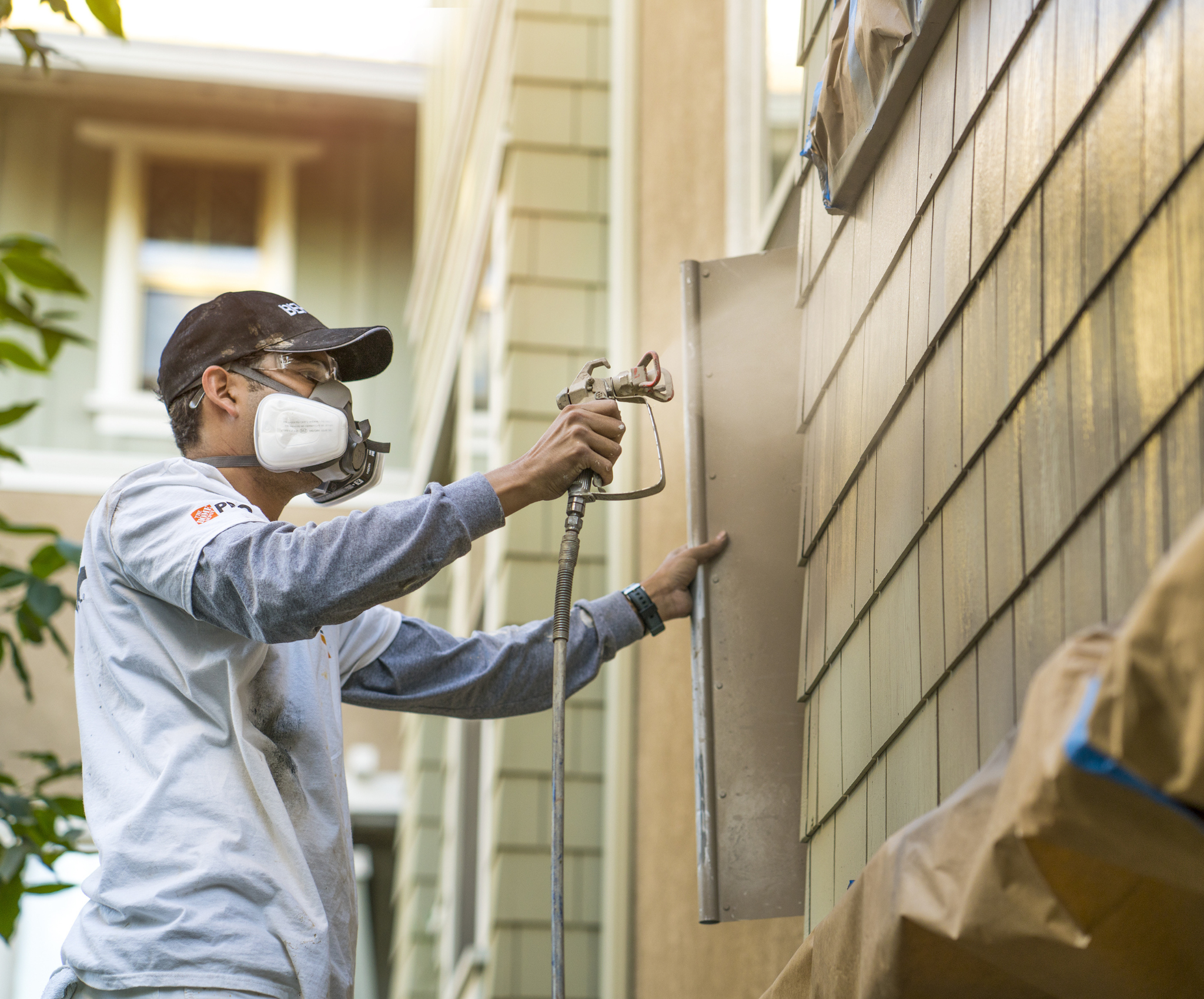
Professional painting spraying with a Graco spray accessory
Guide to Spray Tip Sizes with Graco
Skilled, proficient painters are critical to your business’s reputation and success; however, training new painters to master the art and science of painting can be a challenge.   Even though you likely have a lot on your plate as a business owner, creating and implementing a strategy to properly train your painters is a sound business decision.   So how do you efficiently train a new or seasoned painter to perform the jobs to your liking and on time? Since every business is unique, every training program should be a bit different. Let’s hear from three painting business owners who share their most successful training tips to retain talent and build your business.   Have a Plan One thing Stacey Spear*, owner of SS Painting in Virginia, learned in her early years of owning a painting business was that a training plan is a must. When I started my painting business, I didn’t do much training. I assumed new painters could pick it up by following along and watching me. I noticed when I would correct someone’s technique or process, they would often say ‘You never taught me that.’”   Spear quickly got to work on a plan. The goal was to thoroughly communicate and teach each painting process and create accountability for following and implementing the processes.   Spear created a three-month training program, complete with detailed instructions for each process, checklists and safety protocols.   Month one – Orientation on company values, principles, tools/materials, etc. Month two – Precision and quality Month three – Gaining speed and hitting production goals   Once the three-month training is over, each painter is tested on quality and production requirements. In our training plan, everything is laid out, so employees know what’s expected of them on day one,” says Spear.     Technique First; Speed Second We know that in month one, their production time will be the slowest, but by month two we begin to see improvement, and by month three, we expect them to meet our regular production times,” says Spear.   Kevin Wooten*, owner of Carolina Painting and Pressure Cleaning, Inc. in South Carolina, agrees that precision is first, and speed is second. He says that repetition of the same movements over and over is the first strategy to getting faster. We start by teaching technique. We teach a specific technique like painting a door, and we repeat that process many times making sure that it happens the same way each time. As they practice the process, the speed increases,” says Wooten.   He says the second strategy is keeping tools nearby and organized. The biggest time killer in my 40ish years of having employees is them walking back and forth looking for their duster, rag, caulk gun, etc. If you want to speed them up, require a painter’s tool pouch/belt.”     Use Production Rates Chad Jeffries*, owner of Brick City Painting & Drywall in Missouri, says that training not only helps his company deliver quality and perform predictably on the job, but it also keeps their retention rate high. The company has a team of 40 people, and they are extremely proud of the little turnover they experience. One of the reasons our retention is so good is because we put time and effort into our painters’ success,” says Jeffries.   Production rates are a documented measurement of the average time a task or job takes, and this company has been tracking and recording them for years. They’ve found that recorded production rates can help set expectations for new team members to ensure no one is falling behind. If you need tips for collecting your production rates, check out this article on Determining Your Production Rates.   At Brick City, production rates are monitored both on the job and in a specially built training room. We have a training room with cameras and a timer. A binder outlines specific tasks the employee will run through so we can get a production time on doors, walls, etc. We collect times so we can see if someone is struggling with a specific task. Then we can go back and review the video to see where the problem is.”   This strategy creates a coaching environment where objective data is given to employees to help them identify how to improve and perform their best. We are careful that this is never used to ‘shame’ someone about their job performance but instead ensures that they receive all the training and help that the company offers,” says Jeffries.     Though training can be daunting, it’s a critical building block for developing successful painters and scaling your business. Remember to include required safety training and meetings in your plan.   If you want to create or improve your current training program, check out these industry resources for ideas and advice. Don’t forget, Behr has some great resources too!   Painting Contractor’s Association – Founded in 1884, this industry association offers a plethora of training, events and content focused on training, business-building tactics and the painting craft. American Painting Contractor – Publishing since 1924, American Painting Contractor is a free media resource for painting contractors covering training, business topics, industry stories, and product and application tips. Commercial Painting Industry Association – CPIA is a trade association serving commercial painting contractors with peer groups, events and content focused on building successful painting businesses. InPaint magazine – InPaint is an industry print publication discussing business solutions and the painting craft. Path to Pro – In partnership with The Home Depot, Behr Pro created an 11-course training video series in English and Spanish that covers basic skills and business tips for newer professional painters. Register today and learn tips from professional painters as well as subject matter experts from Behr, Graco, and 3M to hone your skills on the job. Paint Problem Solver – Check out these common interior and exterior paint failures and how to avoid them. Southern California Painting and Decorating Contractors of America Unilateral Apprenticeship Program (SCPDCA UAP) – This program trains painters over a three-year period.   To learn more about Behr’s training resources, contact your BEHR Pro Rep.   *There is no affiliation/partnership between Behr Paint Company and the individuals quoted.  
Pro painter taping off an exterior wall
Building a Successful Painting Team
Load More
Shop Behr Products
Explore more on homedepot.com
BS_THD_Logo_Exclusive_RGB (1)